How to write a casting call that gets auditions
By Buford Taylor, who runs Casting Call Club. Updated October 2026.
I've watched a lot of casting calls go up on Casting Call Club since 2014. Some get a hundred auditions by the weekend, some get crickets. The difference is rarely the project. It's almost always how the call is written. Here's what to put in yours, a template you can copy, and what the numbers on the site say gets people to audition.
What every casting call needs
- The project in two sentences. Say what it is, how far along it is, and where it'll be released. "A 10 minute animated pilot, storyboards done, going up on YouTube in March" beats a paragraph of lore.
- Each role on its own. Give each one a name, an age range, a few words on personality, and how big the part is. If you have character art, use it.
- Two or three lines to read. Pick lines that show the range you need: one calm, one emotional, one loud. Nobody wants to record a full page just to try out.
- The pay, said plainly. Write a number, "unpaid", or "profit share". Being vague about money is the fastest way to look like a scam.
- The deadline. Give one for auditions and one for the final lines if someone gets cast.
- How to submit. Tell people the file type, the mic quality you can live with, and whether you want takes in one file or separate ones.
What gets more auditions
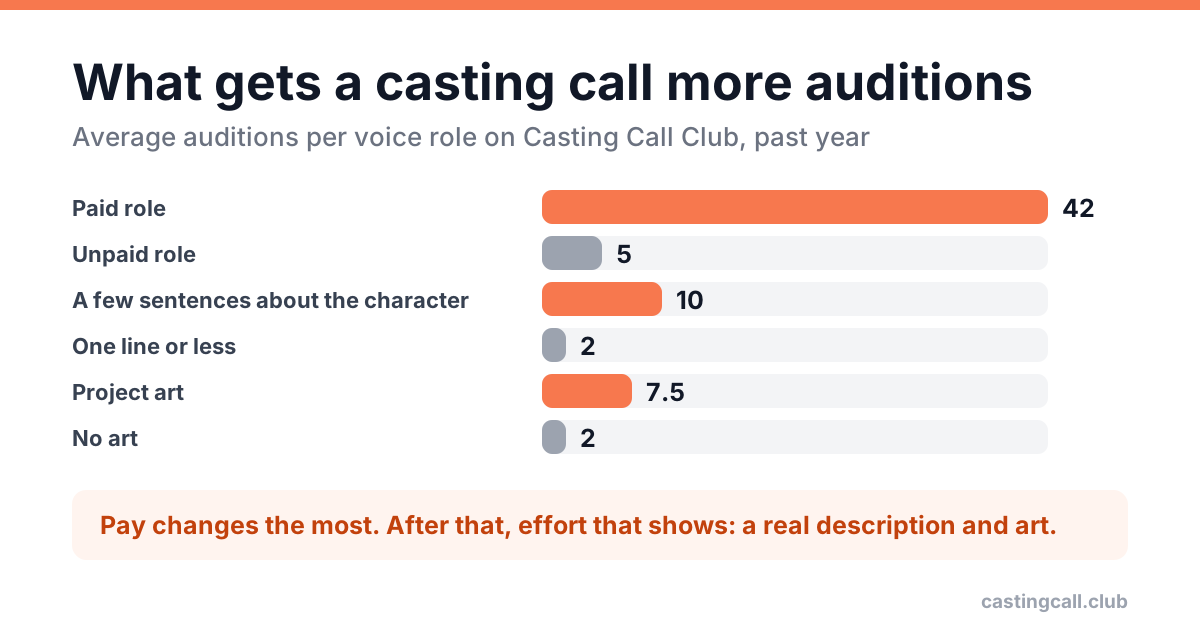
I looked at the voice roles posted on Casting Call Club over the past year. These are averages, so a great project can still beat them, but the patterns are hard to miss:
| What the call had | Average auditions per role |
|---|---|
| Paid role | About 42 (unpaid roles: about 5) |
| A real character description, a few sentences or more | About 10 (one line or less: about 2) |
| Project art | About 7.5 (no art: about 2) |
| A YouTube link to past work or the channel | About 12 |
Money moves the needle most. Even $5 a role puts you in front of a different crowd. If you can't pay, the next best thing is effort that shows: a real description, art and something that proves you finish what you start. About 6 in 10 voice roles never get anyone cast, and actors know it.
A casting call template you can copy
PROJECT: [Name], a [length] [animation / game / audio drama / fan dub]
Status: [script done, storyboards done, etc.]
Release: [YouTube / Steam / podcast feeds], around [month]

ROLE: [Character name]
Age: [range]  Size of part: [lead / supporting / a few lines]
About them: [2 or 3 sentences on personality and how they talk]
Lines:
1. "[calm line]"
2. "[emotional line]"
3. "[loud or funny line]"

PAY: [$ per role / unpaid, with a credit / profit share]
AUDITIONS CLOSE: [date]
FINAL LINES DUE: [date, if cast]
HOW TO SUBMIT: one file, all three lines, no music or effects.
Getting it seen
- Share it yourself. Post it where your fans and friends are. I've seen projects go from zero to hundreds of auditions off a single Reddit post.
- Post early. Most projects on Casting Call Club get their first audition within a few hours, and the people who check daily are the ones who audition most.
- Reply to people. Shortlisting, commenting and actually casting someone makes your next call easier, because actors remember who finishes.
Mistakes I see every day
- The call lists twenty roles for a project that has no script yet.
- The lines run a full page long.
- The pay says "TBD". Pick something, even if it's unpaid.
- There's no deadline, so nobody knows if the project is still alive.
Ready? Post your project, it's free. Or skip the wait and browse voice actors with demos.