Casting will finally be finalized this May!
Casting will happen this May! Everyone stay tuned.
Best
OIle
"Your ideas are terrifying and your hearts are faint. Your acts of pity and cruelty are absurd, committed with no calm, as if they were irresistible. Finally, you fear blood more and more. Blood and time ..."
- PAUL VALERY
"It is not to be thought that the life of darkness is sunk in misery and lost as if in sorrowing. There is no sorrowing. For sorrow is a thing that is swallowed up in death, and death and dying are the very life of the darkness ..."
- JACOB BOEHME
"Clark, who led last year's expedition to the Afar region of northern Ethiopia, and UC Berkeley colleague Tim D. White, also said that a re-examination of a 300,000-year-old fossil skull found in the same region earlier shows evidence of having been scalped ..."
- THE YUMA DAILY SUN - JUNE 13, 1982
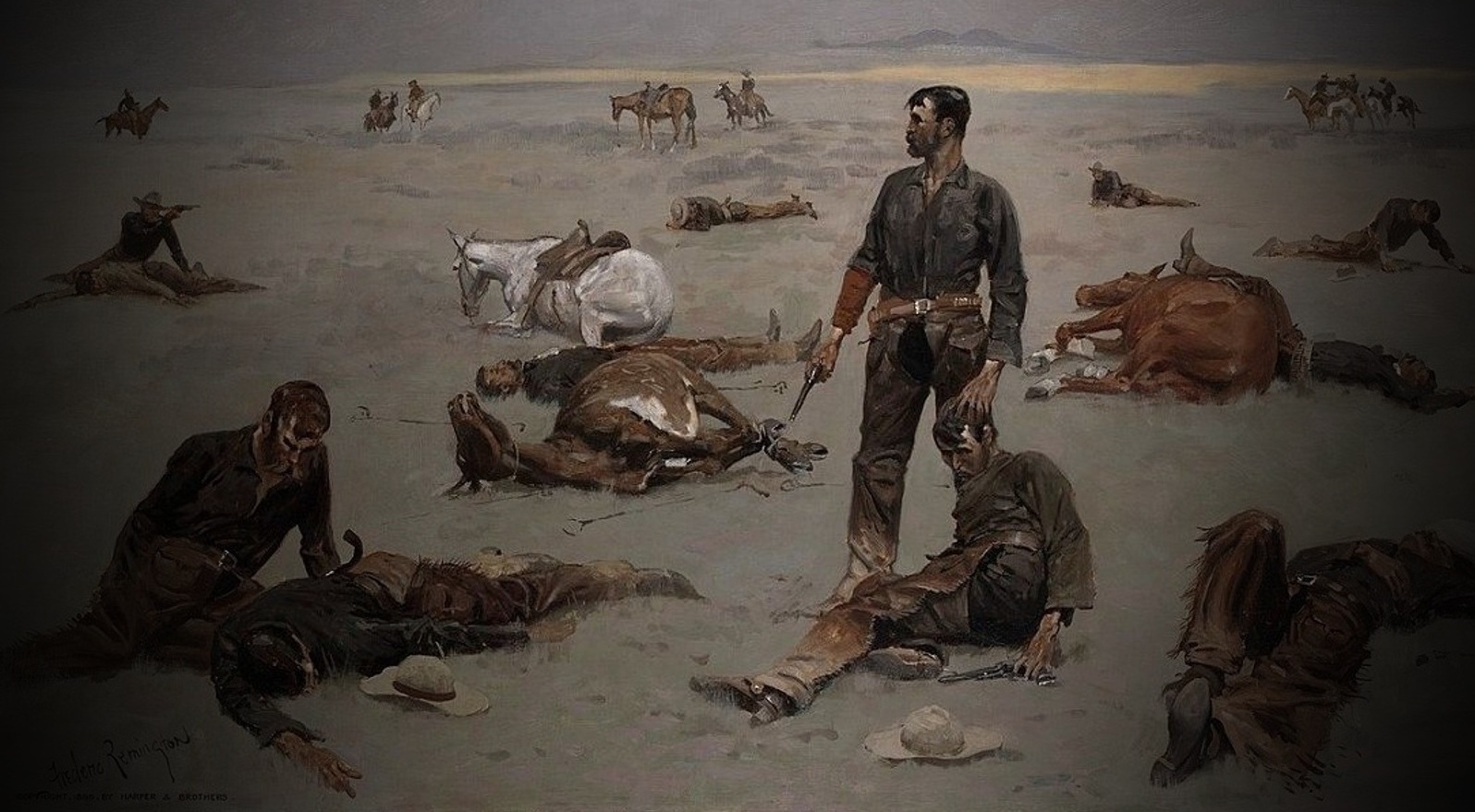
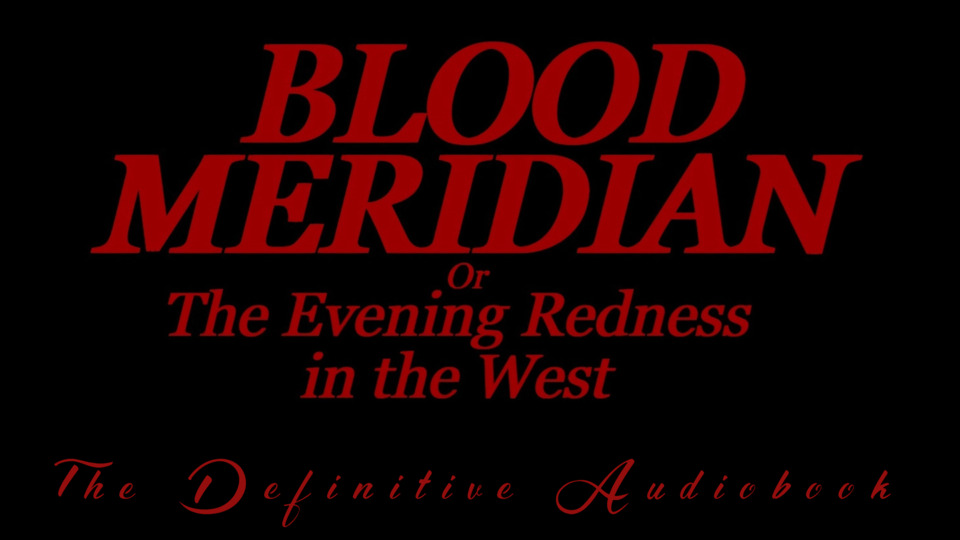
Blood Meridian; or, The Evening Redness in the West is a western novel written by the late american author Cormac McCarthy in 1985 - a fearsome work of highly esteemed literature that went mostly unnoticed at the time of its release - but has since then slowly but surely been discovered by millions of readers, and has by critics been hailed as McCarthy's singular greatest achievement - finding its deserving resting place in the list of great american novels.
Blood Meridian is the story of 'The Kid' and his escapades with the notorious Glanton Gang - a rogue group of lawless men hunting for Indian scalps on an expedition along the Texas/Mexico border in the late 1840's, organized by Mexican and Texan authorities - to simply wipe out all of the Southwestern native americans, in order to clear the way to the goldfields. Some of its happenings are based on historical facts, but most of it is fiction.
The novel also centers around a malicious, Melvillian erudite - a human Moby-Dick known as Judge Holden, or simply ' The Judge', and various other members of the Glanton Gang. The horrid narrative is riddled with copious amounts of blood and violence and thusly paints a grim - yet realistic portrait - of early American expansion and depravity.
In Cormac McCarthy's Blood Meridian - no one escapes the fury in which their wretched daily existence holds them. Truly, life is hell and death's rough hand their only deliverance ...
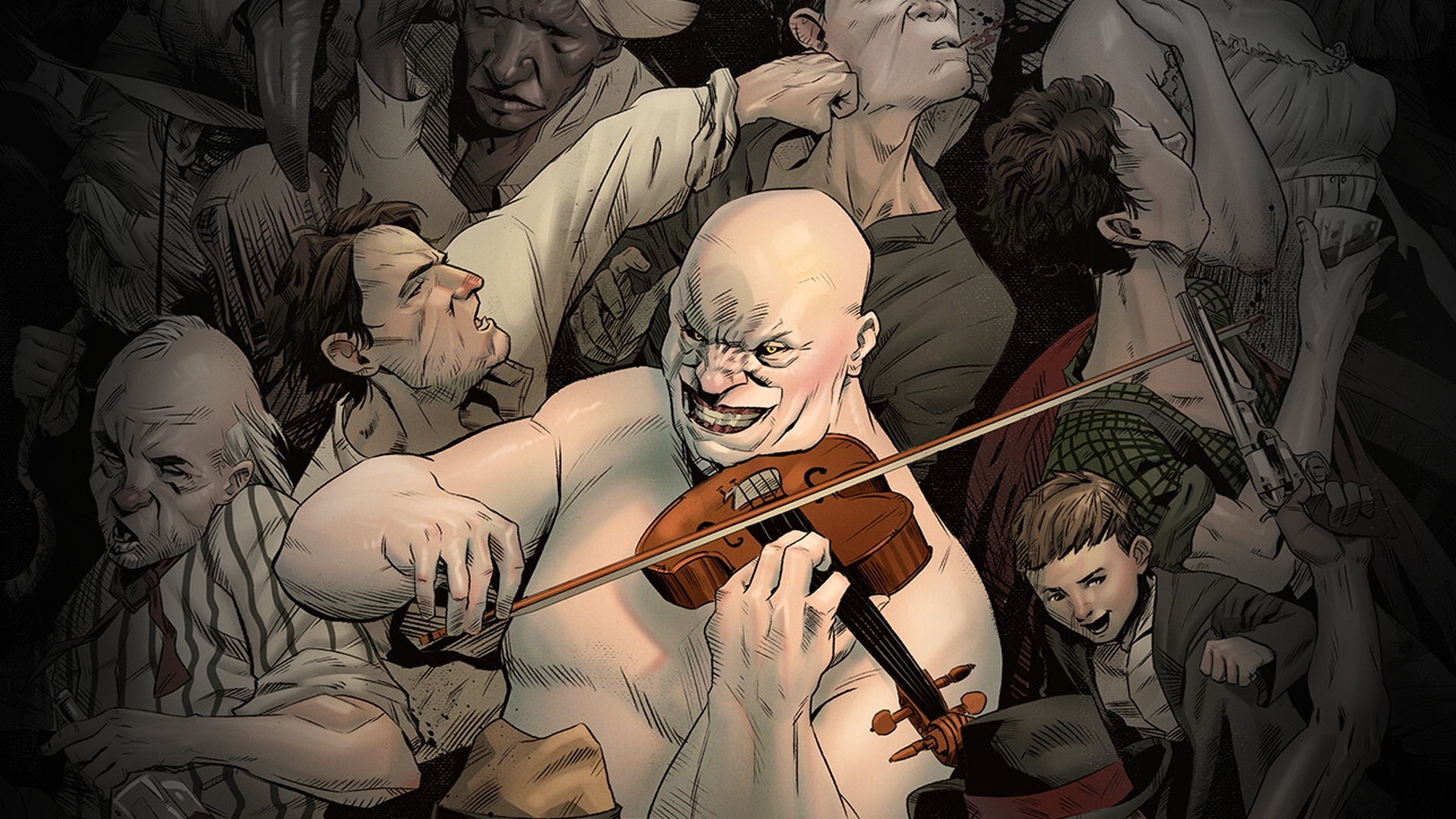
This project of ours - when completed will be around 20+ hours long - features talented voice actors all across the board, (including a narrator of all the prose) an original soundtrack by a composer, and a clear, distinctive, yet horrifying vision for what Cormac McCarthy's penned words should - and could - feel like in an immersive audiobook experience, made with the most delicate care for the source material for fans of the novel - and for those uninitiated who may prefer an audiobook experience on their first go.
Our goal, and mine as a director, is to make this project an authentic, highly produced adaptation of Blood Meridian, crafted exclusively for the ears - made by fans for fans, all around the globe.
Backstory of Blood Meridian and McCarthy's writing process:
McCarthy began writing Blood Meridian in the mid-1970's. In a letter sent around 1979 he said that he had not touched Blood Meridian in six months out of frustration. Nonetheless, significant parts of the final book were written in one go, "including the astonishing 'legion of horribles' passage."
McCarthy worked on the novel while living on the money he received from his MacArthur Fellows grant in 1981. It was his first attempt at a western and his first novel set in the Southwestern United States, a change from the Appalachian settings of his earlier work.
In 1974, McCarthy moved from his native Tennessee to El Paso, Texas, to immerse himself in the culture and geography of the American Southwest. He taught himself Spanish, which many of the characters of Blood Meridian speak.
McCarthy conducted considerable research to write the novel.
Critics have repeatedly demonstrated that even brief and seemingly inconsequential passages of Blood Meridian rely on historical evidence. The book has been described as "as close to history as novels generally get."
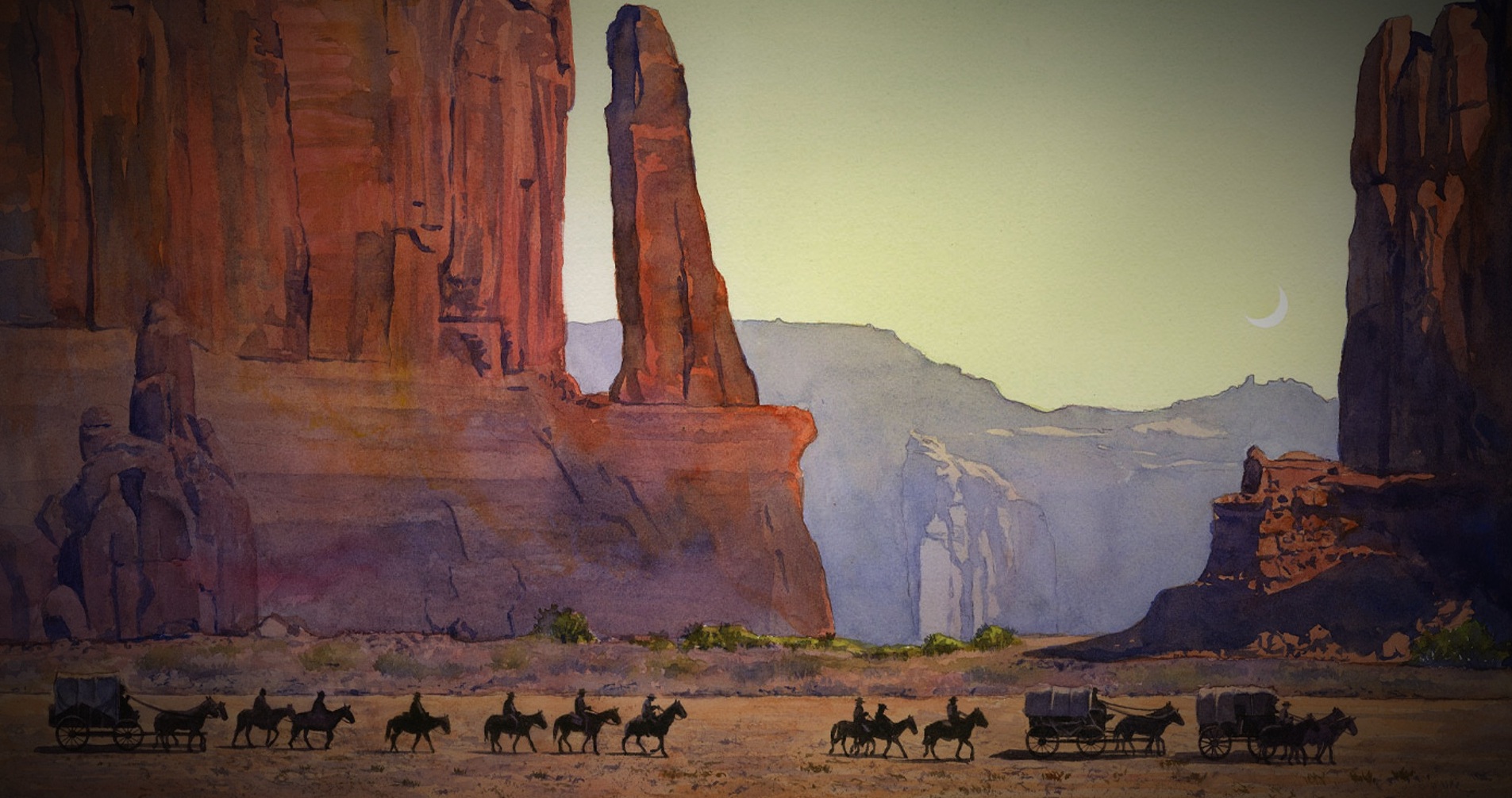
The Glanton Gang segments are based on Samuel Chamberlain's account of the group in his memoir My Confession: The Recollections of a Rogue. Chamberlain rode with John Joel Glanton and his company between 1849 and 1850. Judge Holden is also described in Chamberlain's account, but is otherwise unknown.
McCarthy's own layered version of The Judge was added to his manuscript in the late 1970's - a grotesque patchwork of up-river Kurtz from the film Apocalypse Now, John Milton's Lucifer from the epic poem Paradise Lost, and Chamberlain's own historical account of Holden.
McCarthy physically retraced the Glanton Gang's path through Mexico multiple times, and noted topography and fauna. He studied such topics as homemade gunpowder to accurately depict The Judge's creation from volcanic rock.
"... Only now is the child finally divested of all that he has been. His origins are become remote as is his destiny and not again in all the world's turning will there be terrains so wild and barbarous to try whether the stuff of creation may be shaped to man's will or whether his own heart is not another kind of clay ..."
- Excerpt from BLOOD MERIDIAN, CHAPTER I
"... All night the wind blew and the fine dust set their teeth on edge. Sand in everything, grit in all they ate. In the morning a urinecolored sun rose blearily through panes of dust on a dim world and without feature. The animals were failing. They halted and made a dry camp without wood or water and the wretched ponies huddled and whimpered like dogs ..."
- Excerpt from BLOOD MERIDIAN, CHAPTER IV
"... And they are dancing, the board floor slamming under the jackboots and the fiddlers grinning hideously over their canted pieces. Towering over them all is the judge and he is naked dancing, his small feet lively and quick and now in doubletime and bowing to the ladies, huge and pale and hairless, like an enormous infant. He never sleeps, he says. He says he'll never die ..."
- Excerpt from BLOOD MERIDIAN, CHAPTER XXIII
Initial (& Renewed) Reception of Blood Meridian:
Blood Meridian initially received little recognition, having only sold 1 883 copies in its initial print in America before getting remaindered. Blood Meridian has since been recognized, translated into multiple languages, and hailed as a masterpiece and one of the greatest works of American literature. Some have called it the Great American Novel.
American literary critic Harold Bloom praised Blood Meridian as one of the twentieth century's finest novels, and called it a "fearsome story and a terrible parable ..."
Aleksandar Hemon has called it "possibly the greatest American novel of the past 25 years ..."
David Foster Wallace named it one of the five most underappreciated American novels since 1960 and "probably the most horrifying book of this century, at least in fiction ..."
Audition now - and have the chance to be involved in a highly ambitious project that, hopefully, will stand the test of time as a worthy - albeit different in terms of format - adaptation of Cormac McCarthy's horrifying, chaotic, yet strangely electrifying masterpiece about the violent bygone days of the American Southwest - a work of highly esteemed literature that is viewed by some to be the very ultimate western.
The Inferno awaits - and you're welcome to join us on a front row seat to the fiery pits of man-made terror, with The Judge as our guiding North Star ...
FOR YOUR INFORMATION:
Keep in mind before auditioning that this material holds nothing back in terms of speech (racial slurs and sexism), and all sorts of violence are being depicted here (to men, women and children).
As a performer on this project you'll need to be absolutely comfortable with exploring all these uncomfortable areas in order for us all to reach our (and the project's) ultimate goal of an accurate adaptation of McCarthy's novel.
The sheer carnage of the narrative - though intensively stylized - may prove overwhelming to some.
For all these reasons, no one under the age of 17 will be cast, in order to ensure that the project is being produced by mature adults who has great respect for, and the feelings of others.
We as a team, working on the project will handle the controversial material responsibly, and won't indulge unnecessarily in the language and actions of the characters. Everything presented is - and always will be - rooted in the artistic intentions of its author Cormac McCarthy.
This is a casting call for Part I, out of III. (Part I will cover Chapters I-VIII.)
"You can find meanness in the least of creatures, but when God made man the devil was at his elbow ... A creature that can do anything. Make a machine. And a machine to make the machine. And evil that can run itself a thousand years, no need to tend it ..."
- THE HERMIT
"It makes no difference what men think of war. War endures. As well ask men what they think of stone. War was always here. Before man was, war waited for him. The ultimate trade awaiting its ultimate practitioner ... That is the way it was and will be. That way and not some other way ..."
- JUDGE HOLDEN
Link To YouTube Channel:
https://youtube.com/@duncaani?si=1t9q49ev2T9lzUgL
Previously Directed Projects:
Watchmen: Part I - A Visual Novel
https://www.youtube.com/watch?v=7iZ6aJtQQgA&t=14521s&ab_channel=Duncaani
Batman: The Killing Joke - Audio Drama
https://www.youtube.com/watch?v=r_ACqX6oPUc&ab_channel=Duncaani
Batman: Arkham Asylum - Audio Drama
https://www.youtube.com/watch?v=A6046sfpgWw&ab_channel=Duncaani
The Walking Dead: Volume 1 - A Visual Novel
https://www.youtube.com/watch?v=MuZ3bjtGIgY&ab_channel=Duncaani
Casting will happen this May! Everyone stay tuned.
Best
OIle
Deadline extended to May 31st.
The project has been slightly delayed once more since the previous project of mine has taken far much more time to complete than anticipated. As before, I urge you to remain updated on the site for a few more months if you're eager to be a part of our journey. Apologies for the delay.
Thanks,
Olle
Hello everyone,
The deadline have been exended to January 31st due to the fact that other projects have been in the works for longer than expected. I recommend staying on the site if the interest remains to be involved with the project, in any shape or form!
Best
Olle
Holy moly! 107 submissions have swinged into the audition boxes, and we couldn't be more grateful! Thank you all so much!
We're glad to see such love and deep passion for Cormac McCarthy's penned works - and believe us when we tell you that our audiobook adaptation of "Blood Meridian" will be a bloody, yet lovely narratively, journey through a fiery Inferno with no hope of ever reaching Paradise. There, simply, is no such thing ...
As a reader and a listener of this narrative, you'll be trembling along in a godless country. Truly, life in "Blood Meridian" is hell, and death's rough hand their only deliverance ...
Sincerely
Olle
Hello everyone,
I am humbled by the immense attention my new casting call has been getting lately regarding Cormac McCarthy's western novel Blood Meridian.
Surely, I and everyone else involved, are going to be needing lots and lots of talents involved in order to see this epic story be made into the most definitive audiobook of it's kind - made by fans, for fans all around the globe.
I'm looking forward to take this gigantic leap into McCarthy's magnum opus - and I'm glad so many of you wants to tag along with me and the Judge!
Best
Olle


(Rugged, light, playful tone of voice)
The novel’s protagonist - if it can be said to have one - is 'The Kid', but McCarthy shows us very little of 'The Kid's actions and thoughts.
Born in 1833 to a poor family in Tennessee, 'The Kid' has an innate “taste for mindless violence,” and by the age of fourteen runs away from home to lead a dissolute and vicious life. Early on he falls in with Captain White’s army during its unauthorized invasion of Mexico, which results in the army’s destruction and the kid’s imprisonment in Chihuahua City.
However, he is soon set free to ride with The Judge and Captain John Joel Glanton’s gang of scalp hunters, contracted by the Chihuahuan government to hunt the Apaches. 'The Kid' proves himself an effective killer, yet, unlike his fellow scalp hunters, he also retains a shred of his humanity.
He endangers his own life on several occasions to help and accommodate his comrades-in-arms, as when he removes the arrow from David Brown’s thigh when none else would, or spares Dick Shelby’s life in defiance of Glanton’s orders. For these small acts of mercy, the Judge accuses 'The Kid' of violating the gang’s amoral spirit of war for war’s sake, of poisoning its enterprise.
In 1878, at the age of 45, 'The Kid' (by then called 'The Man'), is discovered brutally murdered in a Texas outhouse after an encounter with The Judge.
*Recurring appearances*
1. We better just hold up here for tonight. 2. Who with? 3. What would they come back for? 4. They wont come back. 5. I wish you had a knife on you ... There's meat here if a man had a knife.
6. Seen ye smoke. Thought you might spare a man a sup of water. 7. We could take the horses ... 8. We can get out as soon as it comes dark. 9. (Watches the flowing blood from Tobin's wound) Will it not stop? 10. Where is the judge? If I kill him, we can take the horses ...
(Sophisticated, educated, playful yet domineering, thick tone of voice with no discernable accent)
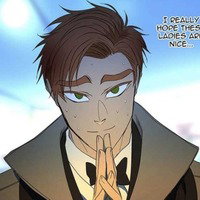
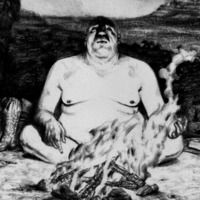
Judge Holden, often called 'The Judge', a totally bald albino with the face of an infant, toweringly gigantic, supernaturally strong, demonically violent, Machiavellian, and profoundly learned deputy in the Glanton Gang, second in command to none but John Joel Glanton himself.
In reality, Judge Holden is the true, if not spiritual leader of the Glanton Gang - who constantly preaches to his fellow wretched brigade the theology of violence and war as they traverse the desert landscape. It is implied he carries all languages known to man in his vocabulary, and is ambidexter.
The Judge fell in with the scalp hunters after he helped them to massacre their Apache pursuers with gunpowder he manufactured utilizing little more than bat guano and human urine. He is a studious anthropologist and naturalist, a polyglot, an eloquent lecturer in fields as diverse as biological evolution and jurisprudence. He is an expert fiddler with unusually small hands, a nimble dancer despite his large figure - and has a very dark, twisted sense of humor. Whenever The Judge smiles - there is no place for you to hide.
Holden is also a liar, a sadistic killer, and very possibly a paedophile rapist, and murderer of young children. The Judge has pledged himself absolutely to the god of war, going so far as to claim that war itself "is God."
Fatally severe on those who break partisanship with the god of war, the Judge finds his wayward yet antagonistic spiritual son in 'The Kid', whom he later accuses of poisoning the gang’s enterprise by reserving a measure of mercy in his heart.
Judge Holden is the only member of the Glanton Gang to survive the novel, and through the course of the story almost unintentionally becomes the true protagonist and central focus with his enigmatic, all-absorbing presence. Holden - slowly but surely - infects the narrative like a plague, annihilating everything in his path. Holden came, Holden saw, Holden conquered ...
When The Judge reacquaints with 'The Man' near the end of the horrid tale, he hasn't visibly aged a day. He claims that he will never die, never sleeps - and is "always dancing, dancing."
And lastly - what exactly is Holden a "judge" of? Of violence and war? Of man in Biblical terms - as in "The Judge of all the earth"? Is Holden a wandering, vengeful God roaming carelessly in his own, horrid creation - just for his own amusement and self interest? Is Holden satanic, divine - or just, plain and simply, a man? No clear answer is ever given from McCarthy - which makes his beastly, Melvillian creation all the more fascinating.
In recent times, Judge Holden has been in the conversation as being one of the greatest literary villains penned by an author from the twentieth century - an antagonist worthy of the likes of Lucifer from John Milton's epic poem Paradise Lost, or Mephistopheles from Johann Wolfgang von Goethe's play Faust.
*Recurring appearances*
1. (Speaking in a theatrical manner to the Christian congregation listening to Reverend Green's sermon) Ladies and gentlemen I feel it my duty to inform you that the man holding this revival is an imposter. He holds no papers of divinity from any institution recognized or improvised. He is altogether devoid of the least qualification to the office he has usurped and has only committed to memory a few passages from the good book for the purpose of lending to his fraudulent sermons some faint flavor of the piety he despises. In truth, the gentleman standing here before you posing as a minister of the Lord is not only totally illiterate but is also wanted by the law in the states of Tennessee, Kentucky, Mississippi, and Arkansas ... On a variety of charges the most recent of which involved a girl of eleven years. Said, eleven! Who had come to him in trust and whom he was surprised in the act of violating while actually clothed in the livery of his God. 2. (Explaining why he maps and collects remnants of his desert surrounding for his ledger) Whatever exists ... Whatever in creation exists without my knowledge exists without my consent.
3. If God meant to interfere in the degeneracy of mankind would he not have done so by now? Wolves cull themselves, man! What other creature could? And is the race of man not more predacious yet? The way of the world is to bloom and to flower and die but in the affairs of men there is no waning and the noon of his expression signals the onset of night… This you see here, these ruins wondered at by tribes of savages, do you not think that this will be again? Aye. And again. With other people, with other sons. 4. It makes no difference what men think of war. War endures. As well ask men what they think of stone. War was always here. Before man was, war waited for him. The ultimate trade awaiting its ultimate practitioner ... That is the way it was and will be. That way and not some other way.
5. Men are born for games. Nothing else. Every child knows that play is nobler than work. He knows too that the worth or merit of a game is not inherent in the game itself but rather in the value of that which is put at hazard. Games of chance require a wager to have meaning at all. Games of sport involve the skill and strength of the opponents and the humiliation of defeat and the pride of victory are in themselves sufficient stake because they inhere in the worth of the principals and define them. But trial of chance or trial of worth all games aspire to the condition of war for here that which is wagered swallows up game, player, all. Suppose two men at cards with nothing to wager save their lives. Who has not heard such a tale? A turn of the card. The whole universe for such a player has labored clanking to this moment which will tell if he is to die at that man’s hand or that man at his. What more certain validation of a man’s worth could there be? This enhancement of the game to its ultimate state admits no argument concerning the notion of fate. The selection of one man over another is a preference absolute and irrevocable and it is a dull man indeed who could reckon so profound a decision without agency or significance either one. In such games as have for their stake the annihilation of the defeated the decisions are quite clear. This man holding this particular arrangement of cards in his hand is thereby removed from existence. This is the nature of war, whose stake is at once the game and the authority and the justification. Seen so, war is the truest form of divination. It is the testing of one’s will and the will of another within that larger will which because it binds them is therefore forced to select. War is the ultimate game because war is at last a forcing of the unity of existence ... War is god.
(Rugged tone of voice)
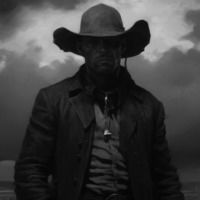
The leader of the Glanton Gang of scalp hunters featured in the novel, Glanton is a small dark-haired man who has left his wife and daughter for a life of bloodshed and debauchery. After The Judge saved his gang from the Apaches, Glanton entered into something of a terrible covenant with The Judge, who became his foremost deputy.
Obsessed with the inexorable workings of fate, Glanton claims agency over his own end by self-destructively embracing it; after a bounty is posted on his head in Mexico, he becomes more and more possessed by a mad and explosive intensity, leading his gang on to the Colorado River where they violently betray Yuma Indians with whom they’ve conspired and seize Dr. Lincoln’s ferry.
The Yumas respond in kind, massacring the gang; Glanton dies at the hands of the Yuma leader Caballo en Pelo, and his corpse is hurled onto a bonfire.
*Recurring appearances*
1. These bags? These here bags are full of gold and silver, for they were. 2. I aint got nobody's teeth.
3. Ort to of shot that one too ... I dont like to see white men that way. Dutch or whatever. I dont like to see it. 4. I want my money ... I want my money and I want my packmules and I want David Brown.
5. Dont you give that son of a bitch no money. 6. Shut her up ... By god you will shut up! 7. We'll be here a couple of days. You find us some more fares and we'll adjust your tariff accordingly.
(Rugged, playful tone of voice)
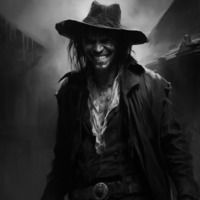
A branded fugitive, Toadvine first appears in Nacogdoches, Texas, where he almost murders 'The Kid' after a petty altercation, though they soon become compatriots and burn down a hotel together. The two find themselves in one another’s company again while imprisoned in Chihuahua City along with Grannyrat. Toadvine secures their freedom by enlisting them all in Glanton’s gang of scalp hunters.
Toadvine is a somewhat complex character - he is a capricious murderer who goes so far as to kill a prison overseer and macabrely fashion his golden teeth into a necklace, yet he nonetheless violently objects when The Judge plays with, only to slaughter and scalp, an Apache infant.
Some time after the Yuma massacre on the Colorado River and its aftermath - Toadvine along with David Brown - is executed by hanging in Los Angeles.
*Recurring appearances*
1. Tap on the door now ... You better tap louder than that. This man drinks some. 2. Kick his mouth in. Kick it! (Crazily laughing) Kick him! Aw, kick him, honey!
3. How do you like city life? I keep waitin for it to take with me but it aint done it. 4. Gentlemens, I'll guarangoddamntee ye I know what that there is about.
5. His name is Glanton ... He's got a contract with Trias. They're to pay him a hundred dollars a head for scalps and a thousand for Gomez's head. I told him there was three of us. Gentlemens, we're gettin out of this shithole! 6. He knows that. He said he'd find anybody that was a guaranteed hand and take it out of their shares. So dont let on like you aint no seasoned indiankiller cause I claimed we was three of the best.

(Rugged, sophisticated tone of voice)
A member of the Glanton Gang, Tobin is often called 'Expriest', but he later tells The Judge that he was merely “a novitiate to the order.” To some extent, he and The Judge compete with one another for spiritual influence over 'The Kid'.
Indeed, after the Yuma massacre Tobin and 'The Kid' informally ally themselves against The Judge while all of them are destitute in the desert - but though Tobin repeatedly tells 'The Kid' that he must kill The Judge, 'The Kid' declines for whatever reason to do so.
Shot by The Judge while bearing a makeshift cross, Tobin nonetheless escapes with 'The Kid' to San Diego where he seeks medical attention. His fate is unknown.
*Recurring appearances*
1. You've done this afore? No? Well you've the knack. More so than me. There's little equity in the Lord's gifts. 2. (Speaking to 'The Kid' sitting around the gang's campfire) That's so. Look around you. Study the judge ... Mayhaps he aint to your liking, fair enough. But the man's a hand at anything. I've never seen him turn to a task but what he didnt prove clever at it ... He speaks dutch. He does for I heard him do it. We cut a parcel of crazy pilgrims down off the Llano and the old man in the lead of them he spoke right up in dutch like we were all of us in dutchland and the judge give him right back. Glanton come near fallin off his horse! We none of us knew him to speak it. Asked where he'd learned it, you know what he said? Said off a dutchman!
3. At night when the horses are grazing and the company is asleep, who hears them grazing? Aye. And if they cease their grazing who is it that wakes? Aye ... Every man.
4. (Speaking about The Judge) Every man in the company claims to have encountered that sootysouled rascal in some other place ... He saved us all, I have to give him that. We come down off the Little Colorado we didnt have a pound of powder in the company. Pound. We'd not a dram hardly. There he set on a rock in the middle of the greatest desert you'd ever want to see. Just perched on this rock like a man waitin for a coach. Brown thought him a mirage. Might have shot him for one if he'd had aught to shoot him with.
(Rugged, thick tone of voice)
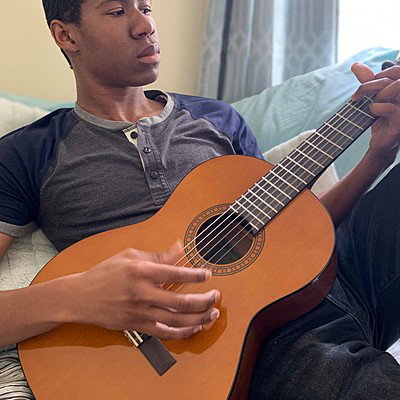
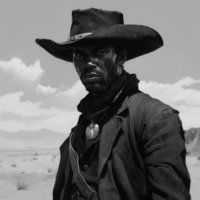
Two members of the Glanton Gang are named John Jackson, one caucasian, the other african american. Bathcat bets that the colored will kill the white, which does indeed come to pass when the white drives the colored away from a campfire around which are seated only white men.
Although the family of magicians foretells that the colored Jackson can begin his life anew and change his fate - and despite a failed attempt to desert the gang - the colored Jackson stays the course of ruthless violence.
He murders the proprietor of an eating-house in Tucson, Owens, and seems to have become something of a disciple of The Judge toward the end of his life, even imitating The Judge’s garb, “a mantle of freeflowing cloth.”
The colored Jackson is killed by the Yumas who raid the gang’s ferry and nearby fortifications on the Colorado River.
*Recuring appearances*
1. (Listening to the Spanish carnival people talking, referring to him) What does she say? What does she say? Tobin? What does she say, Judge? What does she say? 2. And what is that fortune? 3. (Judge asks if he's a drinking man) No more than some. 4. (Disappointed by the answer) That aint no fortune ... 5. (The white Jackson points a gun at him) You aim to shoot me? 6. (To the white Jackson, who points a gun at him) Is that your final say?
(60 seconds of angry yells as he's cutting the head of the white John Jackson)
(60 seconds of heavy breathing, as he's trying to catch his breath after the killing of the white John Jackson)
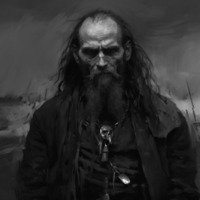
(Rugged tone of voice)
Two members of the Glanton Gang are named John Jackson, one caucasian, the other african american. Bathcat bets that the colored will kill the white, which does indeed come to pass when the white drives the colored away from a campfire around which are seated only white men.Although the family of magicians foretells that the colored Jackson can begin his life anew and change his fate - and despite a failed attempt to desert the gang - the colored Jackson stays the course of ruthless violence.
He murders the proprietor of an eating-house in Tucson, Owens, and seems to have become something of a disciple of The Judge toward the end of his life, even imitating The Judge’s garb, “a mantle of freeflowing cloth.”
The colored Jackson is killed by the Yumas who raid the gang’s ferry and nearby fortifications on the Colorado River.
*One appearance*
1. (Pointing a gun at the colored Jackson) You dont get your black ass away from this fire, I'll kill you graveyard dead ...
2. (Colored Jackson asking if that was his final say) Final as the judgement of God ...
(60 seconds of spasms as his head's been cut off by the colored Jackson)
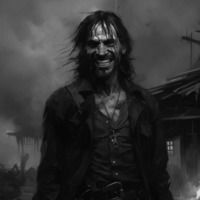
(Rugged, playful tone of voice)
Often called Davy Brown, an especially violent deputy in the Glanton Gang and Charlie Brown’s brother; he comes to wear a necklace of human ears, perhaps recovered from Bathcat’s corpse.
When the gang first came upon The Judge in the desert, David Brown wanted to leave him but was overruled.
Brown later dismisses The Judge’s lecture on order and purpose in the universe as “craziness,” and calls The Judge crazy again when the giant declares that war is God. In San Diego, Brown is jailed for lighting a soldier on fire with his cigar but bribes one of his jailers to free him, only to murder the jailer and take his ears to add to his necklace. Thereafter he seems intent on defecting from the Glanton Gang.
Some time after the Yuma massacre on the Colorado River and its aftermath - Brown along with Toadvine - is executed by hanging in Los Angeles. 'The Kid' later buys the dead Brown’s necklace of ears for two dollars.
*Recurring appearances*
1. You work on guns? I need these barrels cut down. Cut the barrels down. Long about in here ... You cant do it? Well, I'd of thought any damn fool could saw the barrels off a shotgun. 2. Are you goin to cut them barrels down or aint ye? Cant ... or wont?
3. Boys, I'd doctorfy it myself but I caint get no straight grip.
4. (Brown pulled a small fiveshot Colt from his belt and pitched it to the fellow. He caught it and stood holding it uncertainly.) You got one now. Now shoot him ... Shoot him. You better forget about givin orders and shoot the son of a bitch!
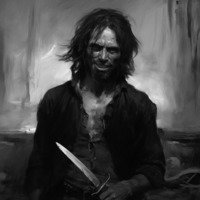
(Rugged, playful tone of voice)
A native of Wales, Bathcat later traveled to Van Diemen’s Land (present-day Tasmania) to hunt aborigines; he wears a necklace of human ears. Like Toadvine, he is a fugitive from the law.
During the gang’s flight from General Elias’s army, Bathcat is sent out as a scout, never to return. He is found along with the other scouts days later dead and hideously mutilated, hanging from a tree.
*Recurring appearances*
1. Ye've not hunted the aborigines afore? You'll find em right lively ... 2. Look yonder, chappies!
3. That was his son ... The lad in the corner cut with a knife. One of the chaps at the table cut him. They were playin cards and one of them cut him.
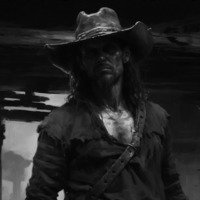
(Rugged tone of voice)
A member of the Glanton Gang who sometimes serves as a scout. One night around the campfire Webster asks The Judge what he intends to do with his sketches, and insists that The Judge not sketch him.
Later, Webster is assigned by lottery to kill one of the four men wounded by General Elias’s army, but a Delaware does Webster’s killing in his place.
*Recurring appearances*
1. She was in a meatcamp about eight mile up the river. She caint walk. 2. We reckoned maybe fifteen or twenty. They didnt have no stock to amount to anything. I dont know what she was doin there ...
3. Watch her, Cap ... She bites. 4. But dont draw me, for I dont want in your book.
5. (Speaking to The Judge) You're a formidable riddler and I'll not match words with ye. Only save my crusted mug from out your ledger there for I'd not have it shown about perhaps to strangers ... 6. That man was no more than a ignorant heathen savage.
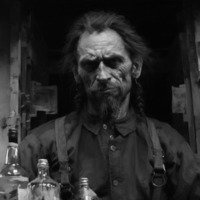
(Rugged, sophisticated tone of voice)
A member of the Glanton Gang and presumably a medical doctor at one time, Irving refuses to help David Brown when he takes an arrow to the thigh, knowing that if he doesn’t get the arrow out cleanly Brown will kill him.
He also claims - in disagreement with The Judge - that might doesn’t make right.
*Recurring appearances*
1. What have you done for him? What do you want me to do for him? (Being told not to do anything) That's good ... Because there aint nothing to be done. 2. The good book does indeed count war an evil ... Yet there's many a bloody tale of war inside it.
3. Why dont you shoot that thing? 4. You aim to eat it and it snakebit?
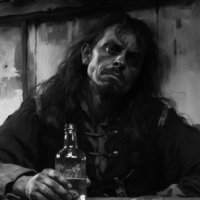
(Rugged tone of voice, later sickly)
A member of Captain White’s army, Sproule is - along with 'The Kid' - one of the few survivors of the massacre inflicted by the Comanches on White’s army.
Though wounded in the arm, Sproule manages to trek through the desert alongside 'The Kid'. The two encounter merciful Mexican bandits, but one night Sproule is attacked by a vampire bat.
He dies in a wagon en route to an unnamed Mexican town, and 'The Kid' is arrested by Mexican soldiers soon after.
*Recurring appearances*
1. Son of a bitch is dealin me misery. 2. I dont need to go nowheres ...
3. My arm stinks ... I said my arm stinks. ('The Kid' asks to look at it) What for? You caint do nothin for it. 4. I was worried about my old boots lastin me. Go on ... Save yourself.
5. (Dying, sickly tone, speaking to 'The Kid') Does that sound like thunder to you? Listen ... I can feel it in the ground ... Listen.
(Sophisticated, authoritative tone of voice)
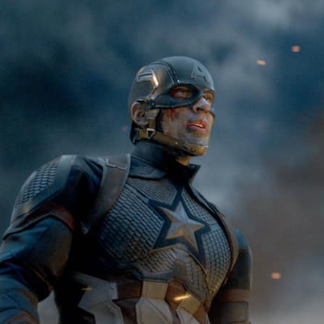
The racist leader of an army of filibusters - government soldiers operating outside the limits of the law - with which 'The Kid' rides and a staunch advocate for American imperialism, White is embittered by the aftermath of the Mexican-American War and becomes hell-bent on invading and seizing Mexican territory.
He claims to be an American patriot, yet he hypocritically breaks American law in invading Mexico. He claims to be delivering justice and liberation to “a dark and troubled land,” yet he hypocritically plans on pillaging the country of its resources.
White survives the Comanches’ destruction of his army, but dies at the hands of Mexican bandits. The last 'The Kid' sees of Captain White is his head floating in a jar of mescal. Yucky!
*One appearance - yet recurring throughout the chapter*
1. How old are you, son? 2. What happened to you? I said what happened to you? 3. What do you think of the treaty? ('The Kid' has no opinion of it) I'm afraid that's the case with a lot of Americans ... Where are you from, son?
4. You werent with the Volunteers at Monterrey were you? Bravest bunch of men under fire I believe I ever saw. I suppose more men from Tennessee bled and died on the field in northern Mexico than from any other state. Did you know that? They were sold out. Fought and died down there in that desert and then they were sold out by their own country.
5. We fought for it. Lost friends and brothers down there. And then by God if we didnt give it back. Back to a bunch of barbarians that even the most biased in their favor will admit have no least notion in God's earth of honor or justice or the meaning of republican government. A people so cowardly they've paid tribute a hundred years to tribes of naked savages. Given up their crops and livestock. Mines shut down. Whole villages abandoned. While a heathen horde rides over the land looting and killing with total impunity. Not a hand raised against them. What kind of people are these? The Apaches wont even shoot them. Did you know that? They kill them with rocks.
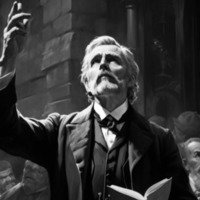
(Sophisticated, authoritative, passionate tone of voice)
The Reverend Green, a representative of the Christian religion which is depicted as decaying in the novel, has set up a revival tent in Nacogdoches, Texas, sometime around the time of 'The Kid's arrival there.
While an audience - including 'The Kid' - listens to the Reverend’s sermon against sinfulness, The Judge enters the tent and falsely accuses Green of child molestation of a girl as young as eleven years old, and beastiality.
Outraged, members of Green’s congregation break out into violence and form a posse to hunt the reverend down. The Judge later reveals that he had never seen or heard of Green before in his life - that it was all false allegations made up on the spot. Members of the congregation responds with laughter and buys The Judge a drink.
*One appearance*
1. (Sermon to his congregation) Neighbors, he couldnt stay out of these here hell-hell-hellholes right here in Nacogdoches. I said to him, said: You goin to take the son of God in there with ye? And he said: Oh no. No I aint. And I said: Dont you know that he said I will foller ye always even unto the end of the road? Well, he said, I aint askin nobody to go nowheres. And I said: Neighbor, you dont need to ask. He's a goin to be there with ye ever step of the way whether ye ask it or ye dont. I said: Neighbor, you caint get shed of him. Now, are you going to drag him ... him ... into that hellhole yonder?
2.(After being accused of child molestation by The Judge) Oh God ... Lies, lies! (Pointing at The Judge) This is him! This is him! The devil! Here he stands!
3. (Running away from members of the religious congregation that once was his own devoted followers) No! You're all being lied to! Lied to, I tellya, by the devil himself! There he stands! Satan! There - he - stands!
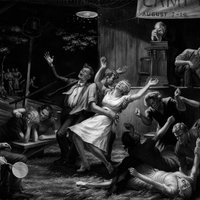
(Rugged, thick tone of voices)
Various members of Reverend Green’s congregation, who later turns on their beloved reverend after being falsely accused of child molestation and beastiality, brought forward by Judge Holden.
*One appearance*
1. Judge, how did you come to have the goods on that no-account? When was you in Fort Smith? 2. Where did you know him to know all that stuff on him?
3. Yessir. I reckon you was in Fort Smith fore ye come out here. 4. Well, where was it you run up on him?
5. Let's hang the turd! 6. Why damn my eyes if I wont shoot the son of a bitch! (Female) *Gasps from shocking revelation* Oh, dear god! Good lord!
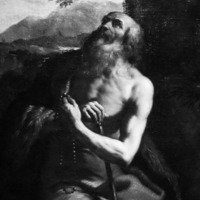
(Rugged, playful tone of voice)
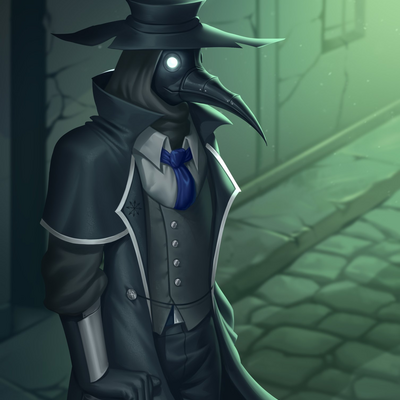
While riding out of Nacogdoches, 'The Kid' comes upon a hovel belonging to 'The Hermit', a man both filthy and half mad.
'The Hermit' accommodates 'The Kid' and his mule, going so far as to provide 'The Kid' with shelter during a stormy night. 'The Hermit' was once a slaver in Mississippi who keeps as a memento of those days a dried and blackened human heart.
He prophecies to 'The Kid' that human beings will create an evil that can sustain itself for a thousand years.
*One appearance*
1. I aint drinkin after no mule ... 2. Just stay with me. Best stay. It's fixin to storm. I reckon and I reckon right ... Bring ye bed. Bring ye possibles.
3. Dont leave it out yonder somethin'll eat it ... This is a hungry country. 4. I come from Mississippi. I was a slaver, dont care to tell it. Made good money. I never did get caught. Just got sick of it. Wait till I show ye somethin.
5. The way of the transgressor is hard. God made this world, but he didnt make it to suit everbody, did he? But where does a man come by his notions. What world's he seen that he liked better? 6. No. It's a mystery. A man's at odds to know his mind cause his mind is aught he has to know it with. He can know his heart, but he dont want to. Rightly so. Best not to look in there ... It aint the heart of a creature that is bound in the way that God has set for it. You can find meanness in the least of creatures, but when God made man the devil was at his elbow ... A creature that can do anything. Make a machine. And a machine to make the machine. And evil that can run itself a thousand years, no need to tend it.

(Rugged, light, playful tone of voice)
A prophet whom 'The Kid', Earl, and second corporal encounter while drinking in a bar in Bexar, 'The Mennonite' warns the three men against joining Captain White on his undertaking, for he fears that White’s invasion of Mexico will "wake the wrath of God."
'The Kid' and his companions berate 'The Mennonite' and swear at him - but his prophecy comes true nonetheless.
*One appearance*
1. They'll stop you at the river ... At the river. Be told. They'll jail you to a man ... The United States Army. General Worth. (Response: "The hell they will." Pray that they will ...
2. Do ye cross that river with yon filibuster armed, yell not cross it back ...
3. The wrath of God lies sleeping ... It was hid a million years before men were and only men have power to wake it. Hell aint half full. Hear me? Ye carry war of a madman's making onto a foreign land, ye'll wake more than the dogs. 4. There is no such joy in the tavern as upon the road there to!
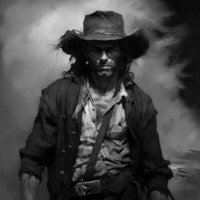
(Natural, rugged, welcomes a myriad of varied tones of voices)
Additional adult male voices to help enhance the intricate worldbuilding of McCarthy's Blood Meridian.
*Recurring appearances - may be kept for future chapters*
(60 seconds of laughter e.g. drunken laughter)
(60 seconds of painful screams)
(60 seconds of painful moaning, e.g. from wounds)
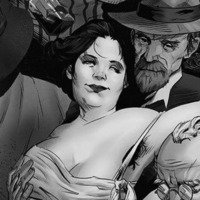
(Natural, welcomes a myriad of varied tones of voices)
Additional adult female voices to help enhance the intricate worldbuilding of McCarthy's Blood Meridian.
*Recurring appearances - may be kept for future chapters*
(60 seconds of laughter)
(60 seconds of cries - intensively and also calm respectively)
(60 seconds of screams - with and without cries respectively)
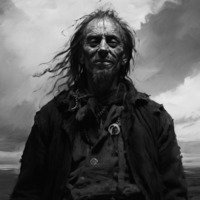
(Natural, welcomes a myriad of varied tones of voices)
Additional Spanish adult male voices to help enhance the intricate worldbuilding of McCarthy's Blood Meridian. Preferably talents who has a firm grip on the Spanish language.
*Recurring appearances - may be kept for future chapters*
1. Digame. 2. Abuelito. 3. Que dice el muchacho. 4. Quiere hecharse una copa. Pero no puede pagar. 5. Quiere trabajo. Quien sabe. 6. Quieres trabajar. 7. No esta sucio. 8. Andale! 9. Esta borracho.
10. Y sus botas. 11. Si. 12. Que quiere? 13. Buscan a los indios? 14. La gente dice que el coyote es un brujo. Muchas veces el brujo es un coyote. 15. Y los indios tambien. Muchas veces llaman corno los coyotes. 16. Y que es eso? 17. Nada. 18. Un tecolote. Nada mas. 19. Quizas. 20. Que pasa aqui? 21. Nada. Todo va bien. 22. Bien? 23. Somos amigos del Senor Riddle. 24. Igualmente. 25. Si. Si, bufones. Todo. Casimero! Los perros! 26. Mire, mire! 27. Como? 28. Si, si. Todo, todo. 29. Venga, venga! 30. Los caballeros! 31. Bueno. Bueno. 32. El tonto. 33. Quien, quien. 34. El negro.
35. Quien, quien. 36. Como? El joven. 37. Una carta, una carta. 38. Si, si. 39. Cuatro de copas! 40. Quie'n. 41. El muchacho! 42. Quien, quien. 43. (Whispering) Perdida, perdida ... 44. Una corta caridad. Por Dios. 45. Digame. 46. Como? 47. Seis? 48. You are socieded de guerra. Contra los barbaros. 49. Madre de Dios. 50. Gomez, Gomez ... Que soldados tan valientes. La sangre de Gomez, sangre de la gente ... 51. Las diez y media, tiempo serefio.
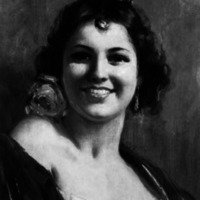
(Feminine, playful tone of voices)
Additional Spanish adult female voices to help enhance the intricate worldbuilding of Blood Meridian. Preferably talents who has a firm grip on the Spanish language.
*Recurring appearances - may be kept for future chapters*
1. No. Nada. 2. El tonto. 3. Cuatro de copas. 4. El hombre ... El hombre mas joven. El muchacho.
5. (Chanting old lady) La carroza, la carroza! Invertido! Carta de guerra, de venganza! La vi sin ruedas sobre un rio obscuro! Perdida, perdida! La carta esta perdida en la noche! Un maleficio! Que viento tan maleante! Carroza de muertos, llena de huesos! El joven que ... 6. El negro.