Epic The Musical Fancast
Project Overview
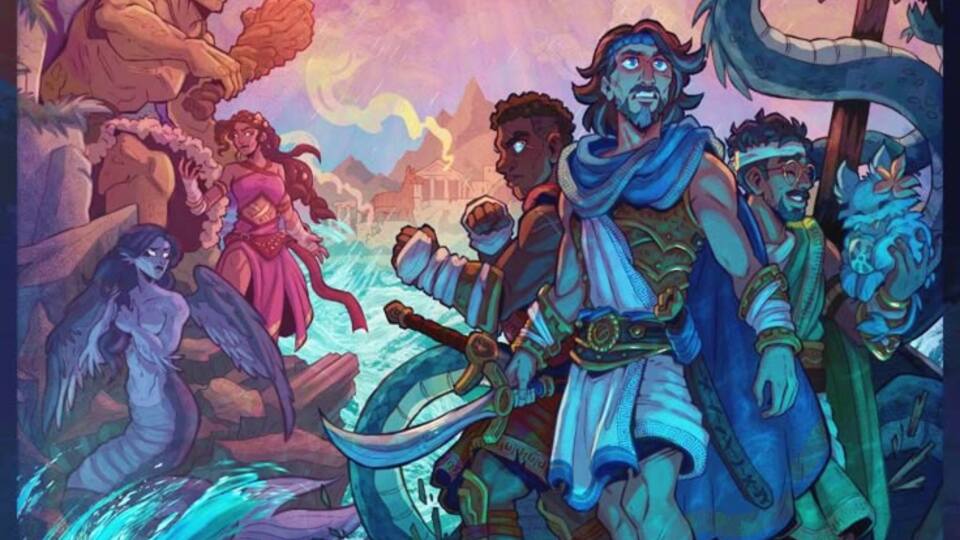
🎶 Epic: The Musical — Fancast Project!
🎭 A fan-made voice and singing recreation of Jorge Rivera-Herrans’ hit musical!
🎬 About the ProjectWelcome to Epic: The Musical — The Fancast!
This is a fan project dedicated to bringing the story of Odysseus and his crew to life through community performances, covers, and collaborations based on Epic: The Musical by Jorge Rivera-Herrans.
We’ll be recreating songs, dialogue scenes, and short animatics with new voices, passionate singers, and editors who love the story of the Odyssey as told through this iconic musical.
This project is nonprofit and purely for fun and fan appreciation — no payment or monetization.
🎙️ What We’re Looking ForWe’re casting for voice actors, singers, and editors to join our production of:
🎵 Act 1: The Troy Saga
🎵 Act 2: The Cyclops Saga
🎵 Act 3: The Ocean Saga
🎵 (and possibly later acts!)
Each role will include:
Singing lines (use any backing or karaoke version)
Short acting lines (spoken intros/outros)
Character emotion & storytelling focus
(Examples — adjust based on what you plan to cast for)
Odysseus — Tenor / Baritone, powerful and emotional lead
Persephone — Mezzo-Soprano, mysterious, graceful
Polites — Bright, energetic tenor
Calliope (the Muse) — Narrator-type role, powerful belt
The Crew — Ensemble vocals (any gender / range)
Editors / Mixers / Artists — For video, sound, and visuals
Please submit:
Singing sample — 20–60 seconds from any Epic song (or musical of similar style)
Short acting line — read your chosen character’s sample line
(Optional) A Discord tag for callbacks & group chats
This project is just for fun and fandom — no official affiliation with Jorge Rivera-Herrans or Epic: The Musical.
You must be 13+ to participate (CCC requirement).
Good mic quality is preferred (USB or XLR mic if possible).
Team spirit is key! We’ll be collaborating through Discord.
Audition Deadline: TBA (usually 3–4 weeks after posting)
Callbacks: 1 week after deadline
Project Start: Once main cast is chosen
Follow this page for updates and announcements!
When you are logged in, you can comment, add submissions, create projects, upvote, search open roles, and way more. Login here.


🕊️ Telemachus
Voice Type: Tenor (light, emotional, youthful)
Vocal Range: A2–B4
Gender: Male (or any who can sing within range)
Role Type: Supporting Lead / Emotional Protagonist (later acts)
Telemachus is Odysseus’s son, born after his father left for war and forced to grow up in his shadow. He’s curious, intelligent, and filled with longing — he’s never met the man everyone calls a hero, yet the weight of that legacy defines his every step.
Telemachus’s journey is one of identity and self-discovery. He’s determined to prove his strength and worth, but beneath his bravery lies fear — fear that he’ll never live up to his father’s name. As the story unfolds, Telemachus becomes a mirror of Odysseus: brave, flawed, and deeply human.
🎤 Vocal / Acting Notes:Tone: Pure, emotional, and hopeful; youthful sincerity is key.
Energy: Passionate but controlled — he feels deeply but tries to stay composed.
Singing Style: Musical theatre / soft pop tenor (think Reeve Carney or Ben Platt–style emotional clarity).
Performance Tip: Capture the quiet ache of missing someone you’ve never met. Let the emotion rise naturally rather than forcing it.
It's just me, myself, and I Stuck in my bedroom, livin' in this world you left behind Dreamin' of all these monsters that I'll never get to fight But boy, I wish I could, so I could bring the world some light
Woah, how did I do that? Is time now moving slow?
Athena, I don't know who your friend is I don't know what he's like, but My time with you has been splendid The bеst day of my life 'Cause I got in a fight and I didn't die I'vе never felt strong before You're my friend, I couldn't ask for more


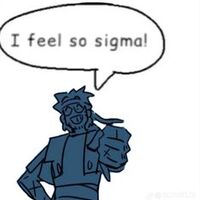

🎶 Polites
Voice Type: Tenor (bright, youthful, expressive)
Vocal Range: B2–A4 (comfortable high chest, strong mixed voice)
Gender: Male (or any who can perform masculine range)
Role Type: Supporting Lead
Polites is Odysseus’s loyal right-hand man and one of the most beloved members of the crew. He’s optimistic, brave, and deeply human, serving as the heart of the group. Polites often lifts the spirits of others when hope is fading — but underneath his bright exterior lies a quiet fear of what’s ahead.
He represents loyalty, brotherhood, and belief, always putting others before himself. His dynamic with Odysseus is built on trust and mutual respect — until tragedy begins to tear the crew apart.
🎤 Vocal / Acting Notes:Tone: Warm, clear, emotional; can shift from playful to heart-wrenching.
Energy: Sincere and uplifting with moments of deep vulnerability.
Singing Style: Modern musical theatre / pop tenor (think Jeremy Jordan or Jorge Rivera-Herrans himself).
Performance Tip: Smile through your singing during light moments — you should sound like someone who genuinely believes in Odysseus.
There in the distance, I see an island I see a light that faintly glows Maybe they're people lighting a fire Maybe they'll share some food, who knows?
I know that you're tired of the war and bloodshed Tell me, is this how we're supposed to live? Look at how you grip your sword, enough said Why should we take when we could give? You can show a person that you trust them When you stop and lower your guard Here we havе a chance for some adjustment Givе it a try, it's not that hard I'm telling you
Greet the world with open arms Greet the world with open arms

⚓ Elpenor
Voice Type: Baritone / Tenor (flexible range)
Vocal Range: A2–G4
Gender: Male (or any who can portray a masculine tone)
Role Type: Supporting / Comic Relief with Emotional Depth
Elpenor is the comic heart of Odysseus’s crew — funny, carefree, and always trying to lighten the mood, even when things get dark. He uses humor to hide his fear, cracking jokes to keep the crew smiling through the impossible.
While often the goofball of the group, Elpenor isn’t just there for laughs — his story becomes one of the most tragic and heartfelt moments in Epic: The Musical. Beneath his joking nature is a deep longing to belong and to be remembered.
He represents the innocence lost to war and the quiet tragedy of those who fall before their time.
🎤 Vocal / Acting Notes:Tone: Playful and charming, but capable of breaking hearts when serious.
Energy: High and comedic in early scenes, grounded and emotional later.
Singing Style: Musical theatre / folk-pop crossover; warm, storyteller vibe.
Performance Tip: Think of Elpenor as the “little brother” of the crew — lovable, goofy, but with real emotion underneath the humor.
What's trapped in that bag?
Let's see what you got
So much power, so much power But there's no puppet here No, she's not a player, she's a puppeteer No, she's not a player, she's a puppeteer, yeah

⚔️ Perimedes
Voice Type: Baritone / Low Tenor
Vocal Range: G2–F4
Gender: Male (or any who can portray a strong masculine tone)
Role Type: Supporting / Crew Member
Perimedes is one of Odysseus’s most steadfast and grounded crewmates. He’s calm, tactical, and dependable — the kind of person others turn to when chaos breaks out. Unlike the louder or more emotional members of the crew, Perimedes tends to speak through action rather than words.
He’s the anchor of the group — practical, loyal, and quietly protective. Though not always in the spotlight, his presence keeps the crew stable and focused. In moments of danger, Perimedes is the first to act and the last to flee.
He embodies duty, courage, and quiet strength, balancing the energy of louder personalities like Elpenor or Polites.
🎤 Vocal / Acting Notes:Tone: Deep, grounded, and composed — the “voice of reason.”
Energy: Stoic but not emotionless; a soldier with a heart.
Singing Style: Smooth baritone / modern musical theatre; strong ensemble harmonizer.
Performance Tip: Keep your delivery steady — Perimedes is the rock others rely on. Emotion comes through restraint, not shouting.
Captain, what's happenin'?
What's trapped in that bag?
Open the bag

💎 Amphidón
Voice Type: Tenor / Baritone (confident, smooth)
Vocal Range: A2–G4
Gender: Male (or any who can perform masculine tone)
Role Type: Supporting Antagonist / Suitor
Amphidón is one of Penelope’s suitors — charming, eloquent, and dangerously persuasive. Unlike some of the louder, more arrogant men competing for Penelope’s hand, Amphidón hides his ambition behind a mask of sophistication and wit.
He’s charismatic and manipulative, using words as his weapon. Amphidón prefers to play the long game, pretending to care for Penelope’s feelings while secretly enjoying Odysseus’s absence.
Despite his civility, there’s a sharp edge beneath his smile — a reminder that even the most polished men can be ruthless when power is at stake.
🎤 Vocal / Acting Notes:Tone: Suave, smooth, and slightly mocking.
Energy: Confident, composed, with flashes of arrogance or flirtation.
Singing Style: Theatrical / classical-pop fusion — think of Hadestown’s Hermes or Hades crossed with a prince-like flair.
Performance Tip: Focus on charm over aggression — Amphidón wins people with words, not brute strength.
Damn, he's more cunning than I assumed While we were busy plotting He hid our weapons inside this room
So what? Now that we have armed ourselves Let's make the bastard rot

👑 Eurymachus
Voice Type: Baritone / Tenor (commanding, smooth, arrogant)
Vocal Range: A2–G4
Gender: Male (or any who can portray a strong masculine tone)
Role Type: Major Antagonist / Lead Suitor
Eurymachus is the charismatic and cunning leader of the suitors — confident, ruthless, and used to getting what he wants. Unlike the brutish Antinous, Eurymachus hides his cruelty behind charm and eloquence. He’s intelligent, manipulative, and dangerously persuasive, often speaking for the other suitors and twisting situations to his advantage.
He sees himself as the rightful heir to Ithaca’s throne in Odysseus’s absence and genuinely believes he can win Penelope’s heart — or at least her crown. While outwardly charming and polite, his patience wears thin as Penelope continues to resist, revealing a temper and entitlement that run deep.
He embodies power masked as poise, a man who rules the room without ever raising his voice — until he loses control.
🎤 Vocal / Acting Notes:Tone: Smooth, confident, and charismatic — villainous, but always composed.
Energy: Refined arrogance; power through subtlety.
Singing Style: Classic musical theatre villain / pop-theatre baritone (think Scar from The Lion King or Aaron Burr from Hamilton).
Performance Tip: Speak and sing with total self-assurance. Eurymachus doesn’t shout — he commands.
Old king, our leader is dead You've destroyed the serpent's head Now the rest of us are no longer a threat Old king, forgive us instead So that no more blood is shed Let's have open arms instead

⚔️ Melanthius
Voice Type: Baritone / Bass (rough, aggressive, sneering)
Vocal Range: G2–F4
Gender: Male (or any who can perform a gruff, masculine tone)
Role Type: Supporting Antagonist / Servant of the Suitors
Melanthius is one of the most openly cruel and arrogant men in Ithaca — a disloyal goatherd who sides with the suitors and mocks Odysseus’s family and servants. Unlike Eurymachus’s charm or Amphidón’s polish, Melanthius relies on brute force and sarcasm to assert himself.
He enjoys his new power under the suitors’ rule, treating the palace like it’s already theirs. He’s loud, impulsive, and nasty, often serving as comic relief with a cruel edge — but when cornered, his cowardice shines through.
Melanthius represents the rotted loyalty of Ithaca, someone who abandoned honor for comfort and control.
🎤 Vocal / Acting Notes:Tone: Harsh, sharp, and expressive — confident but with a sneer.
Energy: Mocking and confrontational, but capable of fear when things turn against him.
Singing Style: Gritty and rhythmic — fits villain ensemble parts or aggressive spoken-sung verses.
Performance Tip: Don’t play him as purely evil — add humor and swagger. He’s the kind of antagonist people love to hate.
Brothers, we got company and he's made a grave mistake Left the weapons room unlocked, and now they're ours to take Brothers, come and arm yourselves, there's a chance for us to win We can still defeat the king if we all attack the prince
Ha! Your very presence has doomed the king, young prince We don't fight fair
Behind you!

👑 The Suitors of Ithaca
Voice Types: Tenor / Baritone / Bass (varied ensemble)
Gender: Male (or any who can portray masculine energy)
Role Type: Antagonist Ensemble / Supporting Roles
The Suitors are the arrogant nobles who invade Odysseus’s palace during his long absence, each vying for Queen Penelope’s hand — and Ithaca’s throne. Though they differ in temperament and intelligence, they share one trait: entitlement.
Some are cunning and calculating, others loud and brutish, but all believe they deserve to rule. They eat Odysseus’s food, mock his family, and manipulate Penelope with false flattery and power plays. Together, they represent the decay of Ithaca without its king — charm turned to greed, confidence turned to cruelty.
As a group, they blend humor, menace, and musical energy — performing as a powerful villain ensemble full of swagger and tension.
🎤 Vocal / Acting Notes:Tone: Confident, arrogant, self-assured; shifts between charm and cruelty.
Energy: Unified but individual — each suitor should stand out with a distinct personality.
Singing Style: Pop-theatre with bold harmonies; a balance of smooth swagger and sharp precision.
Performance Tip: Play the contrast — outwardly charming noblemen with a rotten core beneath. They should sound like they believe they’re the heroes.
Where is he? Where is he? Capture him, he's our greatest chance
Fight 'til the prince can barely stand Hold him down, hold him down Make the king obey our commands
Whoever can string the old king's bow And shoot through twelve axes cleanly Will be the new king, sit down at the throne Penelope as his queen Where is he? Where is the man who can string this bow? Oh-woah

⚓ Odysseus’s Crew
Voice Types: Tenor / Baritone / Bass (varied ensemble)
Gender: Male (or any who can portray masculine energy)
Role Type: Supporting Ensemble / Heroes
Odysseus’s Crew are the brave sailors of Ithaca who follow their king across the seas — loyal, battle-tested, and bound by brotherhood. Together, they represent the heart of Odysseus’s journey: courage, sacrifice, and the human cost of heroism.
Each man has his own voice, doubts, and dreams, but all share unshakable faith in their captain — even as the gods test them with storms, monsters, and temptation. They’re the soul of the voyage: warriors, friends, and martyrs who remind Odysseus of what he stands to lose.
Their dynamic ranges from humor and camaraderie to deep tragedy, making them a powerful ensemble for emotional and musical storytelling.
🎤 Vocal / Acting Notes:Tone: Heroic, grounded, and emotionally real.
Energy: Strong ensemble chemistry — they should sound and feel like a family forged by war and sea.
Singing Style: Folk-pop / musical theatre hybrid; strong group harmonies with emotional solos.
Performance Tip: Focus on unity — even when characters disagree, there’s an undercurrent of loyalty and love.
When does a comet become a meteor? When does a candle become a blaze? When does a man become a monster? When does a man become a monster?
But the problem's not the distance It's what lies in between
So much power, so much power But there's no puppet here No, she's not a player, she's a puppeteer No, she's not a player, she's a puppeteer, yeah

⚔️ Antinous
Voice Type: Baritone / Bass (strong, commanding, intimidating)
Vocal Range: G2–F4
Gender: Male (or any who can portray a bold masculine tone)
Role Type: Main Antagonist / Lead Suitor
Antinous is the brutal and arrogant leader of the suitors, the embodiment of greed and dominance. Where Eurymachus manipulates with charm, Antinous rules with force and fear. He’s loud, proud, and utterly convinced that power belongs to those strong enough to take it.
He doesn’t just want Penelope’s hand — he wants Odysseus’s throne, legacy, and name. His arrogance blinds him to caution, making him both a dangerous threat and his own downfall. Antinous is brash, violent, and unrelenting — the storm that breaks before Odysseus’s vengeance falls.
Despite his cruelty, he’s charismatic in his own way — a natural leader whose confidence commands attention.
🎤 Vocal / Acting Notes:Tone: Harsh, bold, commanding — every line feels like a declaration.
Energy: Explosive; full of pride, ego, and raw emotion.
Singing Style: Rock-theatre / aggressive baritone; fits intense or battle-like ensemble numbers.
Performance Tip: Let your confidence drive the performance — Antinous never doubts himself, even when he’s wrong.
“Where in the hell is our pride and our rage?!”
“Screw this competition, we’ve been here for hours / None of us can string this, we don’t have the power”
“When the crown wonders where the prince is / Only the ocean and I will know”

🌊 Poseidon
Voice Type: Bass / Baritone (deep, resonant, commanding)
Vocal Range: F2–E4
Gender: Male (or any who can portray a powerful, godlike presence)
Role Type: Major Antagonist / God of the Sea
Poseidon is the God of the Sea — mighty, vengeful, and proud. As one of the most feared Olympians, he embodies the untamable force of the ocean itself: calm and still one moment, devastating and violent the next.
In Epic: The Musical, Poseidon serves as one of Odysseus’s greatest obstacles, punishing him for blinding his son, Polyphemus. Yet beneath his fury lies something deeper — a wounded pride. Poseidon sees Odysseus not just as a mortal who defied him, but as a man who threatens the gods’ dominion through cunning and defiance.
He is both a force of nature and a fallen father figure, a god whose wrath shakes the world but whose pain makes him achingly human.
🎤 Vocal / Acting Notes:Tone: Deep, resonant, and thunderous — each word should feel like a wave crashing.
Energy: Majestic and commanding; godlike yet personal in his rage.
Singing Style: Powerful musical theatre bass with cinematic, dramatic delivery — think Hades (Hadestown) or Scar (The Lion King) with mythic gravitas.
Performance Tip: Balance fury with control — Poseidon isn’t a monster; he’s a king whose anger feels justified.
“In all my years of living / It isn't very often that I get pissed off / I try to chill with the waves / But damn, you crossed the line”
“Now get in the water / Or I’ll raise the tide so high, all of Ithaca will die”
“You idiot... / Can’t you see? / You sealed your fate just to beat me.”

👑 Hera
Voice Type: Mezzo-Soprano / Alto (rich, commanding, elegant)
Vocal Range: A3–E5
Gender: Female
Role Type: Supporting / Goddess of Marriage and Queenship
Hera is the Queen of the Gods, the embodiment of power, pride, and divine authority. Regal and calculating, she commands respect the moment she enters — not through rage or thunder, but through poise, intellect, and unwavering confidence.
In Epic: The Musical, Hera serves as both a ruler and a strategist, overseeing the balance of Olympus and subtly influencing the mortal world. While Zeus rules by decree, Hera rules by presence — every glance and word carries the weight of centuries.
Though she is often seen as cold or vengeful, Hera’s motivations stem from a deep belief in order, loyalty, and justice — and the fury that burns when they’re betrayed. Beneath her divine control lies a storm of passion and pride, making her one of the most complex gods in the pantheon.
🎤 Vocal / Acting Notes:Tone: Commanding, regal, and sharp; her voice should sound like silk over steel.
Energy: Elegant yet intimidating — she never needs to raise her voice to be obeyed.
Singing Style: Theatrical and powerful; emotional resonance over vocal flashiness.
Performance Tip: Focus on controlled power — Hera wins every argument not by shouting, but by knowing she’s right.
“So many heroes, so many tales / Give me one good reason why yours should prevail”
“Try harder”
“… Release him.”

🔥 Ares
Voice Type: Baritone / Bass (intense, powerful, commanding)
Vocal Range: G2–E4
Gender: Male (or any who can portray a bold, aggressive tone)
Role Type: Supporting Antagonist / God of War
Ares is the God of War — fierce, passionate, and utterly devoted to the chaos of battle. Where Athena represents the strategy of war, Ares is its raw emotion — the blood, the fire, the thrill of combat. He lives for conflict, glory, and dominance, and he takes it personally when mortals or gods underestimate him.
In Epic: The Musical, Ares can serve as a symbol of Odysseus’s internal struggle — the primal rage that drives men to victory and ruins them afterward. He is both an instigator and a reflection, tempting others to embrace their violence and pride.
Ares is more than a brute — he’s charmingly dangerous, exuding confidence and charisma that make his fury even more intoxicating.
🎤 Vocal / Acting Notes:Tone: Bold, fiery, and sharp; his words should hit like sword strikes.
Energy: Explosive, confident, and unpredictable — his presence fills the room.
Singing Style: Rock-theatre / power baritone; gritty vocals with drive and aggression.
Performance Tip: Channel intensity, not volume. Ares doesn’t just yell — he burns. Every line should sound like it’s fueled by adrenaline and pride.
“What kind of sick coward holds back his power / While his friends get devoured?”
“He didn’t even fight Scylla, didn’t even try to kill her / Hides inside a wooden horse to get the job done.”
“Never handles things upfront / Pathetic and weak like his son.”
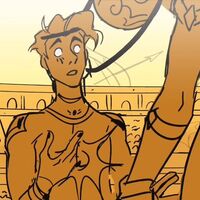
☀️ Apollo
Voice Type: Tenor / High Baritone (bright, expressive, commanding)
Vocal Range: B2–A4
Gender: Male (or any who can perform a radiant, youthful tone)
Role Type: Supporting / God of the Sun, Music, and Prophecy
Apollo is the God of the Sun — radiant, confident, and endlessly creative. The embodiment of light, art, and truth, he brings warmth and brilliance wherever he goes, yet beneath his golden charm lies deep pride and perfectionism.
In Epic: The Musical, Apollo represents the voice of divine clarity — a being who sees more than mortals can, yet still wrestles with the burden of prophecy. He is charming, poetic, and magnetic, but his arrogance sometimes clouds his empathy. He views the world like a stage — full of tragedy and beauty — and himself as its guiding light.
Whether he’s inspiring heroes or scorning them for their flaws, Apollo’s words carry both wisdom and sting, like sunlight that heals and burns.
🎤 Vocal / Acting Notes:Tone: Bright, lyrical, and confident — his speech should sound musical, even when spoken.
Energy: Charismatic and expressive; the performer should radiate passion and control.
Singing Style: Golden-age meets modern pop-theatre; smooth and emotive, with a clear, melodic tone.
Performance Tip: Balance warmth with pride — Apollo believes he’s doing good, even when blinded by his own brilliance.
“You all know I’m a fan of catchy songs / So with so many sirens gone / I think Ody’s in the wrong.”
“If that’s true, release him.”
“Great.”

🕊️ Hermes
Voice Type: Tenor / Baritone (lively, smooth, expressive)
Vocal Range: B2–A4
Gender: Male (or any who can portray clever, quick energy)
Role Type: Supporting / Messenger of the Gods
Hermes is the Messenger of the Gods — quick-witted, charming, and effortlessly cool. Known for his speed and silver tongue, he moves between worlds with ease: the divine, the mortal, and the dead.
In Epic: The Musical, Hermes often serves as the narrator or mediator, guiding heroes and delivering divine decrees with flair and humor. He’s a trickster, but never malicious — his mischief hides wisdom, and his jokes often reveal deeper truths.
Hermes balances the tension between gods and mortals, showing that communication — and cunning — can be as powerful as strength. He’s the heartbeat of movement and change, a restless spirit who thrives on momentum.
🎤 Vocal / Acting Notes:Tone: Smooth, quick, and articulate — every line should feel like it’s dancing.
Energy: Playful, fast-paced, yet thoughtful; he speaks with rhythm and confidence.
Singing Style: Jazz-pop or rhythmic musical theatre (think Hadestown’s Hermes or Pippin’s Leading Player).
Performance Tip: Keep him light on his feet — Hermes should feel like he’s always one step ahead of everyone else, even when he’s serious.
“I must say, what a brilliant speech you gave.”
“All you have to do is not open this bag.”
“Well, it's a little bit dangerous, my friend.”

🌊 Calypso
Voice Type: Mezzo-Soprano / Alto (warm, haunting, emotional)
Vocal Range: A3–E5
Gender: Female (or any who can portray deep empathy and longing)
Role Type: Supporting / Goddess-Nymph of the Island of Ogygia
Calypso is the Goddess-Nymph of Ogygia, the lonely keeper of an island paradise and the woman who offers Odysseus peace — and eternal captivity. She is gentle, soulful, and heartbreakingly human for a divine being. Her immortality is both a gift and a curse, as she watches countless loves fade while she remains unchanged.
In Epic: The Musical, Calypso embodies the theme of temptation and loss — the desire to hold onto something beautiful even when you know it cannot last. She loves deeply, but her love often feels like a cage; she wants to protect Odysseus, yet she must learn to let him go.
Her scenes are filled with emotion, stillness, and tragic beauty — a calm in the storm of Odysseus’s journey that reminds audiences of the cost of heroism.
🎤 Vocal / Acting Notes:Tone: Soft, wistful, and melodic; her voice should feel like ocean waves — flowing and endless.
Energy: Calm and introspective, but with deep emotional undercurrents.
Singing Style: Lyrical and expressive — think “Wait for Me (Reprise)” from Hadestown or “On My Own” from Les Misérables.
Performance Tip: Calypso’s strength is in her vulnerability — sing and speak with sincerity, as if every word is a memory you wish you could relive.
“Bow down now to the immortal Calypso, here to entertain / But fear not, I bring no pain”
“Morning, sleepyhead, you’ve been resting for a while / I swore that you were dead when you washed up on my isle”
“Someone arrived today / They said they’re taking you away / That you’re not mine to save / And soon I won’t get to see your face”

🔥 Hephaestus
Voice Type: Baritone / Bass-Baritone (gritty, grounded, emotional)
Vocal Range: A2–F4
Gender: Male (or any who can portray strength, humility, and quiet pain)
Role Type: Supporting / God of Fire, Forge, and Craftsmanship
Hephaestus is the God of the Forge, the divine craftsman who shapes beauty and power from flame and steel. Born imperfect and cast aside by the other gods, he embodies the themes of resilience, creation, and inner strength.
In Epic: The Musical, Hephaestus serves as a reminder that worth is forged through struggle. He may not possess the charm of Apollo or the might of Ares, but his creations — and his compassion — have lasting impact. His voice is quiet but powerful, the kind that commands respect rather than demands it.
He is both an artist and a laborer — his work is his language, and every strike of his hammer is a heartbeat. Though scarred by rejection, Hephaestus carries himself with dignity, embodying the beauty of imperfection and the strength of endurance.
🎤 Vocal / Acting Notes:Tone: Deep, warm, and sincere — like molten metal cooling into steel.
Energy: Steady and deliberate; never rushed, always purposeful.
Singing Style: Folk-rock or soulful musical theatre; earthy and textured (think “Dust and Ashes” from Great Comet or “Bring Him Home” from Les Misérables, with grit).
Performance Tip: Show emotion through restraint — Hephaestus rarely shouts. His pain and pride come through silence, pause, and weight.
“Trust is not given, it’s forged.”
“Why should I give him my support? / He sacrificed his own cohort.”
“Fine, release him.”
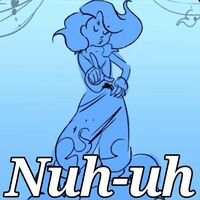
🌬️ Aeolus
Voice Type: Tenor / Baritone (energetic, whimsical, theatrical)
Vocal Range: B2–A4
Gender: Male (or any who can portray lively, unpredictable energy)
Role Type: Supporting / Keeper of the Winds
Aeolus is the Keeper of the Winds, a powerful and eccentric minor god who controls the air itself. He’s dramatic, unpredictable, and full of personality — equal parts host, performer, and storm.
In Epic: The Musical, Aeolus represents the chaos and temptation of divine whimsy — a being who wields great power but treats it like a game. When Odysseus visits him, Aeolus offers help — but his generosity comes with conditions, and his moods shift as quickly as the breeze.
Aeolus is both comedic and commanding, capable of switching from charming entertainer to raging storm in an instant. His presence should feel like a gust of wind — exciting, overwhelming, and impossible to pin down.
🎤 Vocal / Acting Notes:Tone: Flamboyant, lively, and quick-paced — every word should feel like motion.
Energy: Big and theatrical, yet layered with divine authority.
Singing Style: Musical theatre with character flair (think King George from Hamilton meets Hades from Hadestown).
Performance Tip: Lean into the theatricality — Aeolus is a showman who loves being watched. Even his temper has style.
“Ha ha ha / I am the wind, twisting and turning / I give the fire enough to stay burning”
“Take a look right here at this bag / It has the winds of the storm all trapped / All you gotta do is not open this bag”
“Keep your friends close and your enemies closer / Never really know who you can trust”

⚡ Background Gods
Voice Type: Varies (Soprano, Alto, Tenor, Bass)
Vocal Range: Flexible; ensemble harmonies and choral lines
Gender: Any
Role Type: Ensemble / Supporting Divine Presences
The Background Gods form the celestial chorus of Epic: The Musical — divine observers who shape, influence, and react to the mortal world from above. They represent the countless deities beyond Olympus’s main pantheon — gods and spirits of rivers, dawn, sleep, love, vengeance, and fate.
Each performer can bring a unique presence to their godly role: one might be graceful and serene, another chaotic and mischievous. Together, they embody the power, mystery, and emotion of the divine realm, commenting on the actions of mortals and echoing the themes of destiny, hubris, and sacrifice.
They serve as the voice of fate — sometimes narrating, sometimes harmonizing, always watching.
🎤 Vocal / Acting Notes:Tone: Ethereal, layered, and expressive — voices blend like waves or thunder.
Energy: Varies by scene — serene in divine moments, fierce during storms or war.
Singing Style: Ensemble harmonies and choral vocals; think Hadestown Fates or Great Comet ensemble.
Performance Tip: Even without solo lines, each performer should carry divine personality — move and react as if your god influences the world around you.
“Bring it”
“Release him”
“Very well”

👁️ Tiresias
Voice Type: Baritone / Tenor (mystical, resonant, calm)
Vocal Range: A2–G4
Gender: Male (or any who can embody ancient wisdom and quiet power)
Role Type: Supporting / Prophet of Thebes and Blind Seer
Tiresias is the blind prophet of Thebes, a mortal touched by the gods and cursed (or blessed) with eternal vision. Though sightless, he sees far more than most — the truth beneath the surface, the cost of pride, and the future that no one wishes to face.
In Epic: The Musical, Tiresias represents the voice of fate and divine consequence — a character who bridges the gap between gods and mortals. His presence is calm but commanding, his every word carrying weight and prophecy. He does not speak often, but when he does, the world stops to listen.
Despite his power, Tiresias is not cruel — he’s weary, understanding, and often mournful of the truths he must deliver. He is a man burdened by clarity, forever guiding others toward the light while standing in darkness himself.
🎤 Vocal / Acting Notes:Tone: Deep, calm, and meditative — each word feels intentional and ancient.
Energy: Reserved but powerful; less emotion, more gravity.
Singing Style: Dramatic and lyrical; think Mufasa from The Lion King meets Hades from Hadestown.
Performance Tip: Stillness is key — Tiresias doesn’t need to move much. His presence is enough to command a room.
“I am the prophet with the answers you seek / Time, I've unlocked it / I see past and future running free.”
“I see you on the brink of death / I see you draw your final breath”
“I see a man who gets to make it home alive / But it's no longer you.”

🌪️ Winions (Wind Spirits)
Voice Type: Flexible (Soprano, Alto, Tenor, Bass – ensemble blend)
Vocal Range: Open to all ranges; focus on harmony and texture
Gender: Any
Role Type: Ensemble / Supporting Spirits of the Wind
The Winions — short for Wind Minions — are the playful, mischievous, and sometimes chaotic spirits that serve Aeolus, the Keeper of the Winds. They are the embodiment of air in motion — whispers, gusts, and storms given voice and form.
Each Winion has a unique personality: some are curious and light-hearted, others wild and uncontrollable. Together, they form Aeolus’s chorus, swirling around him in dance, sound, and song. Their movement and voices bring scenes to life — whether gently guiding Odysseus’s ship or unleashing a tempest when their master grows angry.
In Epic: The Musical, the Winions represent the unpredictability of nature and divine whimsy — both helpful and hazardous, depending on their mood.
🎤 Vocal / Acting Notes:Tone: Airy, animated, and otherworldly — voices should feel like wind: fast, flowing, and layered.
Energy: Constant motion; even when still, they feel ready to burst into movement.
Singing Style: Ethereal ensemble with overlapping harmonies or echo effects; think Hadestown Fates or Lion King ensemble vocals.
Performance Tip: Use your body as much as your voice — move like gusts, glide across the stage, or shift moods like changing weather.
“Welcome!”
“Food!”
“The cave!” / “Scary cave!”

👁️ Polyphemus
Voice Type: Bass / Baritone (booming, gritty, commanding)
Vocal Range: G2–E4
Gender: Male (or any who can portray monstrous strength and emotion)
Role Type: Antagonist / The Cyclops, Son of Poseidon
Polyphemus is the Cyclops, a towering, one-eyed giant and the son of Poseidon. He is both terrifying and tragic — a creature of immense power and primal rage, but not without his own sense of loneliness and pride.
In Epic: The Musical, Polyphemus represents the danger of hubris and the wrath of nature. He lives a simple, brutal life until Odysseus and his men trespass upon it — and his confrontation with them becomes one of the most pivotal and haunting moments of the story.
Polyphemus is more than a monster; he’s a reflection of divine cruelty and mortal arrogance. His pain and fury when blinded by Odysseus ripple through the world, setting Poseidon’s vengeance into motion. He is a force of nature — both the storm and the silence after it.
🎤 Vocal / Acting Notes:Tone: Deep, raw, and resonant — every sound should feel like it comes from the earth itself.
Energy: Intense and physical; Polyphemus’s strength should feel overwhelming, even when he’s still.
Singing Style: Powerful and rhythmic; think Javert from Les Misérables meets King Kong’s primal growl.
Performance Tip: Balance brutality with sorrow — Polyphemus’s rage is born from betrayal, not mindless evil.
“You killed my sheep / My favorite sheep / What gives you the right to deal a pain so deep?”
“Your life now is in my hand / Before I’m done”
“Ah, I’d like to thank you / Stranger, what’s your name?”

🐉 Scylla
Voice Type: Mezzo-Soprano / Alto (dark, commanding, haunting)
Vocal Range: G3–E5
Gender: Female (or any who can portray monstrous elegance and tragic rage)
Role Type: Antagonist / Sea Monster of the Strait
Scylla is the sea monster of the narrow strait, a once-beautiful nymph transformed into a six-headed horror by divine jealousy. She dwells high upon the cliffs, devouring sailors who dare to pass too close to her domain.
In Epic: The Musical, Scylla represents the consequences of divine cruelty and the loss of innocence. She is terrifying, yes — but she’s also deeply tragic. Once mortal and pure, she was cursed into monstrosity and now lives in eternal hunger and rage, lashing out at the world that condemned her.
Scylla is both victim and villain, embodying the darker side of transformation. Her song should evoke fear and pity in equal measure — the haunting melody of a creature who remembers what it was to be human.
🎤 Vocal / Acting Notes:Tone: Powerful, haunting, and sorrowful — her voice should sound like the ocean’s roar mixed with a lament.
Energy: Slow, fluid, and serpentine; her movements should feel inhuman yet graceful.
Singing Style: Dark musical theatre or rock-opera; think “No Good Deed” (Wicked) or “Hellfire” (Hunchback of Notre Dame).
Performance Tip: Channel duality — elegance and monstrosity, control and chaos. Scylla is a tragedy disguised as a monster.
“Deep down, we only care for ourselves”
“Deep down, we’re lonely demons from hell”
“Drown in your sorrow and fears / Choke on your blood and your tears”

🕊️ The Sirens
Voice Type: Mezzo-Soprano / Soprano Ensemble (ethereal, seductive, haunting)
Vocal Range: A3–E5 (flexible harmonies and layered vocals)
Gender: Any (typically portrayed as female or feminine-presenting)
Role Type: Ensemble / Antagonists / Enchantresses of the Sea
The Sirens are the enchantresses of the ocean, whose voices are so beautiful they can lure any sailor to his doom. They dwell on the rocks of a lonely island, surrounded by the bones of those who could not resist their song.
In Epic: The Musical, the Sirens embody temptation, obsession, and the danger of desire. Their melodies promise peace, love, and fulfillment — but beneath the harmony lies destruction. They are not purely evil; their songs come from loneliness and longing, from the need to be heard by the world that fears them.
Each Siren can carry her own tone and energy — one soft and sorrowful, another fierce and sensual, another playful and teasing. Together, they form an irresistible chorus that reflects the darker side of beauty and the power of illusion.
🎤 Vocal / Acting Notes:Tone: Ethereal, smooth, and intoxicating — every note should sound hypnotic.
Energy: Fluid and enchanting; movements should feel like waves, graceful but unpredictable.
Singing Style: Lush, layered harmonies; dreamlike and dangerous. Think Hadestown Fates, The Great Comet ensemble, or “Poor Unfortunate Souls” sung by a choir of ghosts.
Performance Tip: Keep the balance between allure and danger — the Sirens are not simply villains; they are lost souls whose beauty became their curse.
“Penelope (Ah; ooh) / Penelope (Ah; ooh)”
“Spare us / Oh, spare us, please”
“Then jump in the water and kiss me”


![daylus diaries [minecraft roleplay mctv]](https://images.castingcall.club/project_images/image-1288082-logobg.jpg)

Comments

Public Submissions