Seth Villamil

Seth Villamil
@vitaminzethSound Engineer / Recording Engineer / Dialogue Editor / Mixing Engineer / Mastering Engineer
I'm Seth Villamil, the 2025-2026’s winner of the Joyce and Ron Sakamoto award for my interests in audio perception research and tinnitus during my capstone. I continue to garner curiosity in academia through strong, impactful questions that will influence my prospects as a post graduate student. With interests of teaching sound production techniques at the latter half of my career, I'm finding new ways to apply my knowledge of sound in places one may not think of in order to make the most of my studies. With current collaboration with the Centre for Indigenous Arts Research & Technology as a Research Assistant at the University Of Lethbridge, I'm researching technical methods with Digital Audio Workstations and Linguistic Software to produce huge data outputs that could potentially be used for training models and archival purposes. My studies in the Digital Audio Arts continues to offer me opportunities to network and collaborate. From providing feedback and teaser materials for Dr. Arlan Schultz’ Aurawand, to building connections with studio performance majors in forms of recordings and livestreams; I find ways to gain experience in and outside of the classroom. My hopes are to continue my pursuit as a Sound Recordist for films come graduation for 2028. With live sound experience, recording studio time and post sound projects, I continue to apply myself in many fields to stay sharp and multi-faceted in an ever evolving field. I keep myself busy and forever curious of the rabbit hole that is Sound Engineering. Besides my interest and obsession with sound, I am a Beyblade fanatic as the President of the University Of Lethbridge Beyblade Club, as well as a motorsports fan enjoying recreational simracing in virtual reality titles like Assetto Corsa and Dirt Rally.
I do audio / audio equipment and home studio consultation. Some Streamers I've helped:
https://www.twitch.tv/yuzuki_io
https://www.twitch.tv/ajmorr2000
Most of my work is done at home with my Dolby Atmos Setup (ProTools / Reaper and the Dolby Atmos Renderer or Dolby Atmos Composer) or at the studio for I currently am a Student at the UofL.
I mix in this studio: https://www.ulethbridge.ca/fine-arts/space/studio-one
As well as this one: https://www.ulethbridge.ca/fine-arts/space/studio-two

MUSI 2550: Modern Studio Recording Techniques
This course introduces studio recording techniques for music production and sound design in a project studio. The main emphasis is placed on technical ear training, theory and practice of recording and postproduction techniques such as microphone technology and placement, mixing balance, reverberation, EQ, and dynamic compression. Prerequisite(s): Music 2500 OR Music 2510 (Corequisite)
Section information text:
Note: This course is delivered in-person.

MUSI 3850D: Classical Recording Techniques
Section information text:
Prerequisite(s): Music 2260 AND One of Music 2550 or Music Studio 3448 Note: Credit is not allowed for both Music 3850 (Classical Music Recording) and Music 3730 (Tonmeister: Classical Music Recording) Note: This course is delivered in-person.

An introduction to the physics and psychophysics of music with demonstrations of relevant phenomena and theories explaining them. Topics include studio and sonic environment design; the basic physics of music production including modes of oscillation of mechanical systems, resonance, feedback, and transmission; room reverberation and acoustics; and physical acoustics with applications to music.
Section information text:
Note: This course is delivered in-person.
Practical Application of equipment and gear at University Of Lethbridge's Studio 2. Experience with SSL Matrix Studio Console.

MUSI 3670: Synthesis and Computer-Based Music Production
This course covers the state-of-the-art in audio synthesis, and it involves current methods in computer-based music production. An investigation of available technologies includes modular synthesizers, virtual analog synthesis, physical modelling, and granular synthesis. By integrating current trends of electronic music production, students will learn about sampling technology, MIDI sequencing, and loop-based music production. The practical use of audio effects processing and spatialization will also be examined. Prerequisite(s): Music 2500 OR Music 2510 Note: Studio course.
MUSI 3570: Nonlinear Music and Audio for Games
Exploration of non-linear, adaptive and generative music systems, combining game audio production, music composition for interactive media, and user interface design. Course activities give students a set of analytical and production techniques and tools, as well as performance strategies for the growing field of interactive audio, preparing them for the increasing presence of interactive technology in the games industry and digital studio. Prerequisite(s): Music 2550 OR New Media 1000 Note: Studio course.
The aim of this course is to thoroughly understand the relationship between technical parameters and the perceived qualities of sound. Audio engineers must develop the skill to diagnose problematic sonic artifacts in recordings. They also need to identify potential causes and find solutions to overcome them. Therefore, students will learn to translate between control parameters, for example frequency in Hertz, or sound level in decibels, and their perceptions of timbre and loudness in audio signals. The goals are to develop a heightened awareness of subtle features and attributes of sound, as well as a greater ability to make judgements about changes in sound quality that are based on small changes in signal processing. Topics of this course include tonal balance and equalization, reverberation, dynamic range control, distortion and noise, and sound analysis. Corequisite(s): Music 2550 Equivalent: Music 2850 (Technical Ear Training) (prior to 2023/2024)
Section information text:
Note: This course is delivered in-person.
MUSI 3980: Advanced Audio Engineering for Worship Spaces
Testing Plugins for Live Sound
MUSI 3605: Introduction to Audio Software Programming
An introduction to computer programming using the Python language. Students will learn how to use audio programming libraries for recording, playback of samples, wavetable synthesis, plotting of audio signals, and manipulation of audio files, filtering, and audio analysis. Students will also process musical information for score notation and computer-aided composition. Prerequisite(s): One of Music 2510 or Computer Science 1620 Equivalent: Music 4600 (prior to 2018/2019) Note: Studio Course.
MUSI 3630: Traditional Studio Recording Techniques
This course focuses on music production techniques in a large-format analog studio, from recording to mixing, with an introduction to mastering. Productions include overdubbing projects and live sessions for a diverse variety of musical genres, e.g. pop, indie, folk, rock, jazz, R'n'B. The main emphasis is placed on critical listening, and commercial recording practices where students experience the challenge of engineering 3rd party music projects. Prerequisite(s): Music 2550 AND One of Music 1011, Music 1160, or Music 2260 Note: Studio course.

MUSI 4636: Music Design for Film and Digital Media
An advanced composition course focusing on creating music for film, documentaries, and digital media. A study of film/media music editing and compositional techniques from both historical and contemporary perspectives. Production of original scores using the techniques described and production/recording processes available. Prerequisite(s): One of Music 2500 or Music 2510 AND Third-year standing (a minimum of 60.0 credit hours) Note: Studio course.
DM For Rates - Ranges from Probono - Paid (Per Project or as discussed)
Looking to apply skills from my post-production, recording, mixing as well as live sound (PodCasts/Venue) experience to projects here on CCC.
-
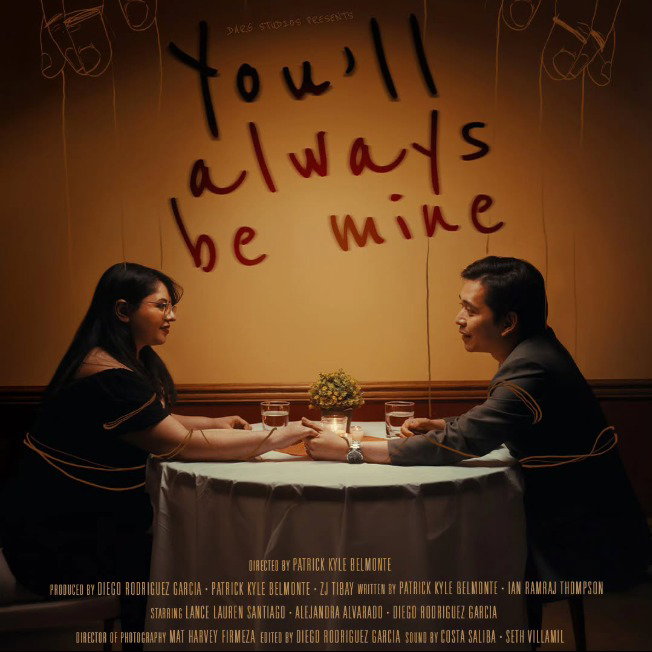
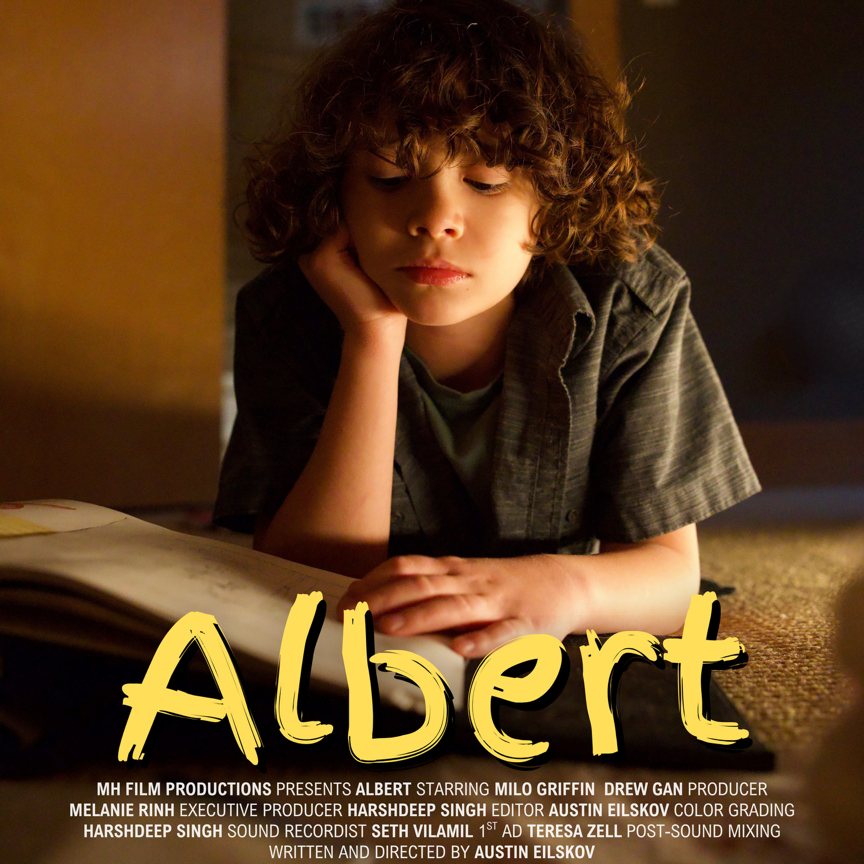
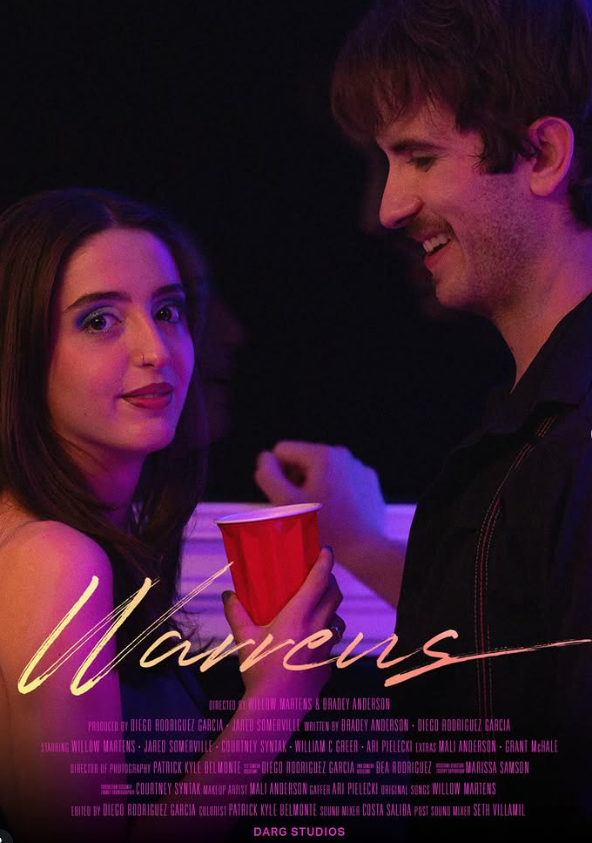
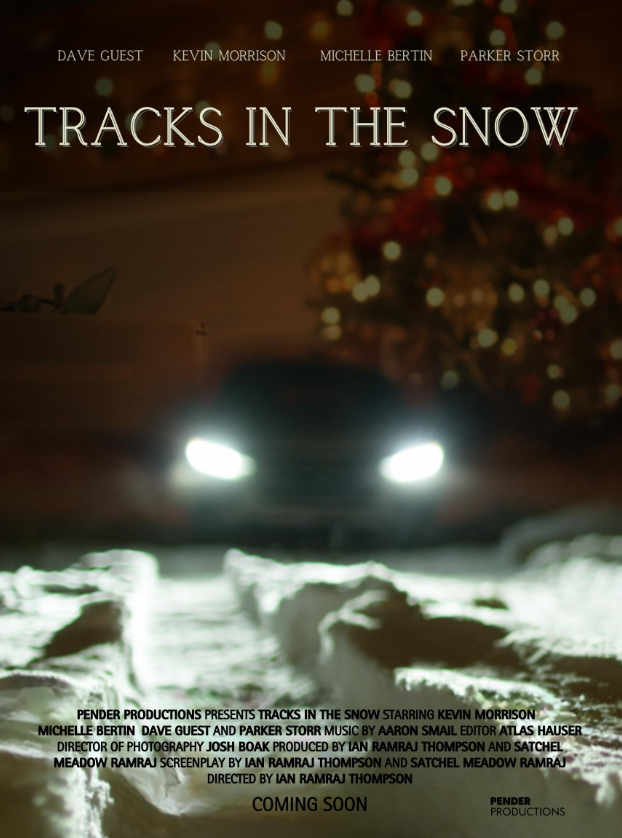
2026 Sound Department (Post Production Dialogue Editing, Mixing Engineer, Mastering Engineer)
-
2026 Sound Department (Post Production Dialogue Editing, Mixing Engineer, Mastering Engineer)
-
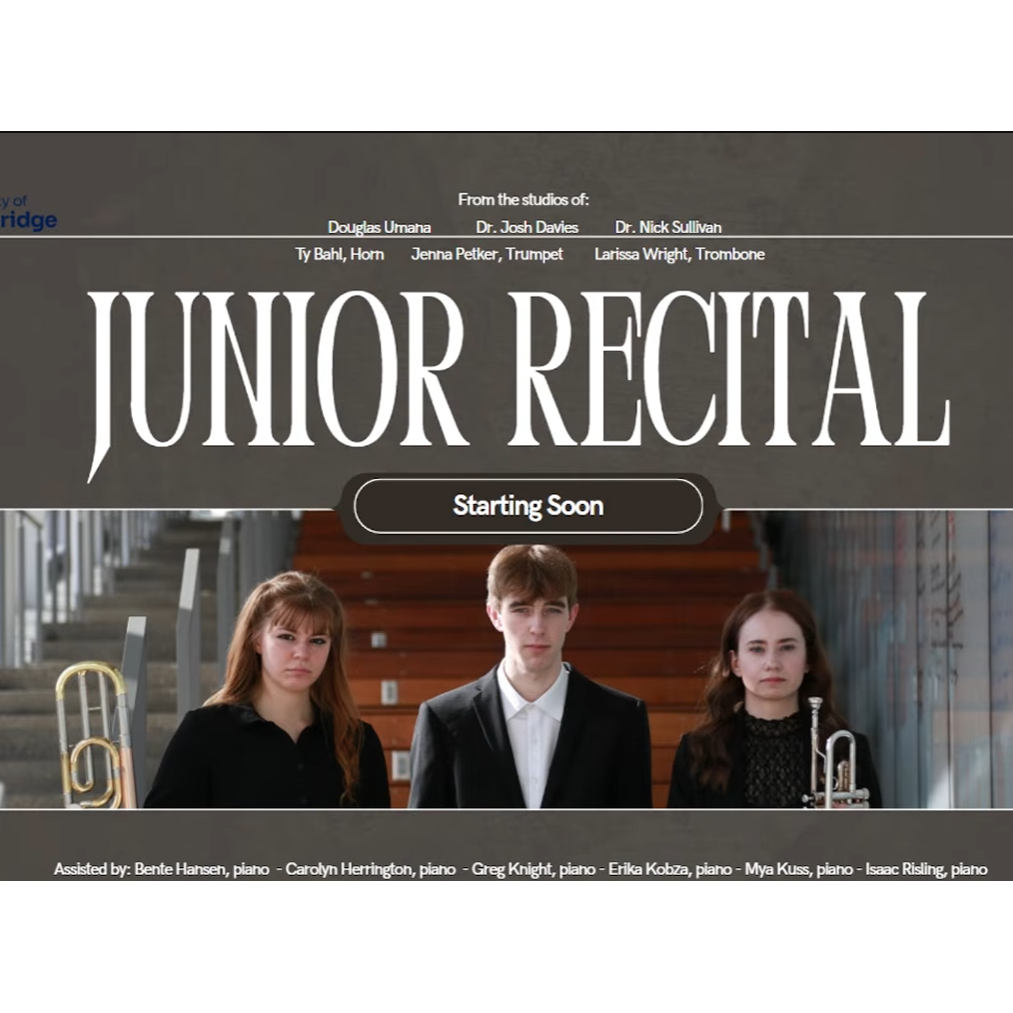
2026 Camera and Electrical Department Member (Role: Camera/Stream Operator)
-
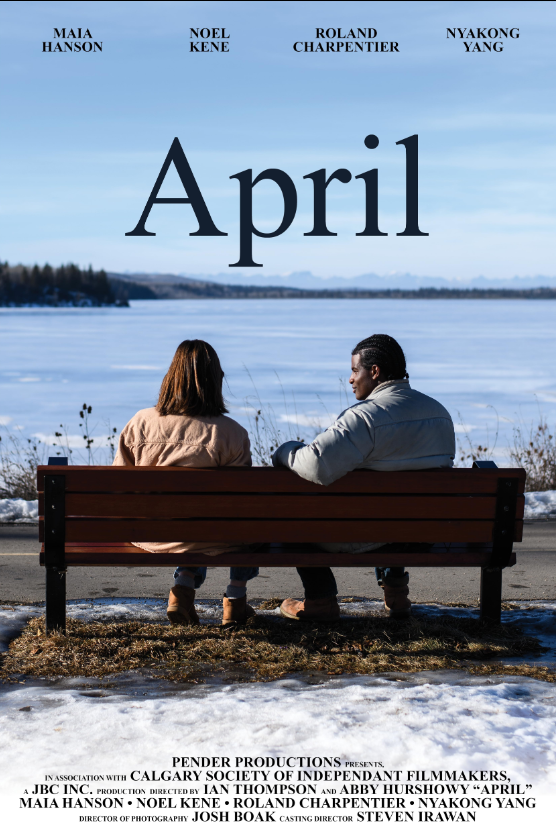
2026 Sound Department (Post Production Dialogue Editing, Mixing Engineer, Mastering Engineer)
-
2026 Sound Department (Video Operator: Seth Villamil Binaural Recording (KU100): Seth Villamil)
-
2026 Sound Department (Production: Sound Recordist Post Production: Dialogue Editing, Mixing Engineer, Mastering Engineer)
-
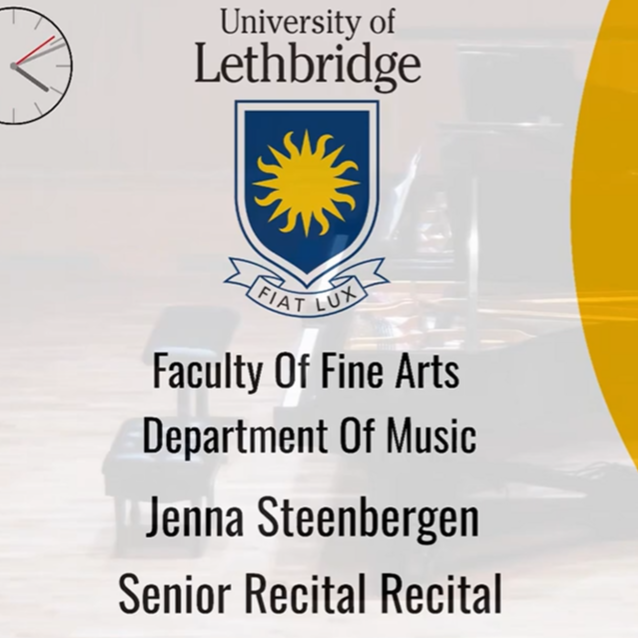
2026 Sound Department (Post Production Dialogue Editing, Mixing Engineer, Mastering Engineer)
-
-
-
-
-
-
-
-
-
-
2022 Sound Department (Mixing and Mastering Consultant)
-