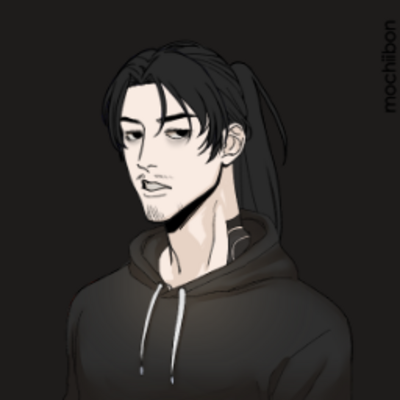
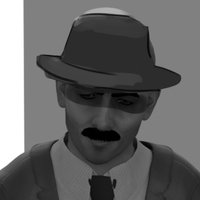
PETERSON
Miss Faulkner, The Second American Revolution is dependent on a fundamental reorganization and redistribution of wealth throughout society. Take this building for example. We took the Merchandise Mart, a symbol of capitalist decadence and turned it into something that serves the people.
(sad, reflective) But the revolution is a fragile thing. Like a watch, the whole is delicately balanced. A single gear out of place will stop the whole device from turning. Do you understand?
(Determined, curt) We have reason to believe the anarchist wing of the party is preparing an attack on this very building. We believe the anarchists are not acting of their own accord, but rather are being supported by foreign agents in our midst.
We take such threats very seriously, miss Faulkner. It has prompted the Bureau to investigate a paper trail that led us to the British immigrants in the city. And finally, to your family…
PETERSON (Memoirs)
The Russian Revolution... failed partly due to the gullible nature of the Soviet leadership. After Lenin's assassination, Bukharin, Stalin and Trotsky squabbled over control, and I should have known then we were doomed. At best, Trotsky was a gullible fool, and at worst, a soft-hearted idiot. The deaths of millions of Soviet citizens can be blamed on his inability to see the internal threats tearing the combined Soviets apart. Even as the Whites pressed us out of Yekaterinburg and our Western front collapsed, we were occupied mostly with political side-line arguments. The anarchist wing of the party infected the Soviets like a cancer, planting in the men imbecilic and unsustainable ideas of a future in Russia without a government. Kolchak and Kornilov learned from our internal division, and assembled a strong dictatorship to bring the Whites through the war. I despise them for everything they stand for, but in this they were not wrong. When Moscow fell, we fled Russia as common criminals, hiding on freighters to Britain.